Berberine vs Ozempic: Is It Really "Nature's Ozempic"?
Is berberine really nature's Ozempic?
No — "nature's Ozempic" is a marketing line, not a scientific one. In human trials berberine trims roughly 2 to 3 kg, about 1 to 3 percent of body weight, over 12 weeks, while Ozempic averages 10 to 15 kg. Berberine works through the AMPK enzyme pathway, not the GLP-1 appetite signaling a drug uses.
- Berberine: about 2 to 3 kg (1 to 3 percent) over 12 weeks via the AMPK pathway; no conclusive GLP-1-like effect proven in humans.
- Ozempic (semaglutide): roughly 10 to 15 kg (6 to 15 percent) by acting directly on GLP-1 appetite signaling — a prescription drug, not a supplement.
- Berberine is the most evidence-backed over-the-counter option for people without GLP-1 access, but it is daily support, not a swap for the injection.
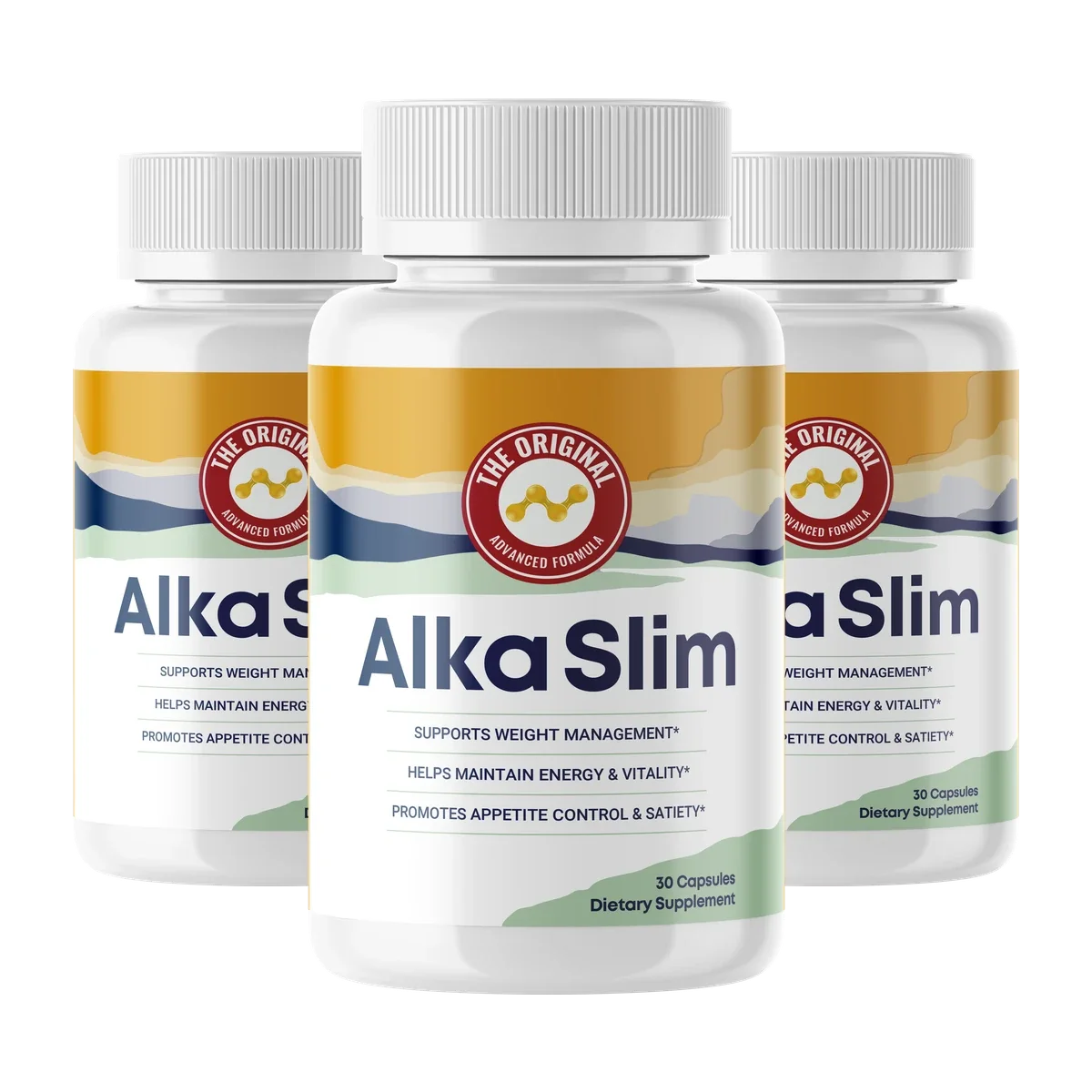
Type berberine vs Ozempic into any search bar this year and you hit a wall of headlines calling a yellow plant compound "nature's Ozempic." It is one of the most-searched weight-loss questions of 2026, and it is easy to see why. Ozempic works, it is expensive, it is hard to get, and the promise of a cheap capsule that does the same job is exactly what a frustrated shopper wants to hear. The trouble is that the berberine vs Ozempic comparison, told honestly, is not a story about two versions of the same thing.
It is a story about a modest supplement and a powerful prescription drug that happen to land in the same search box. This piece puts the two side by side without the hype — real numbers, real mechanisms, and a straight answer about where a daily, fiber-forward formula like AlkaSlim actually fits. Berberine is a legitimate, evidence-backed ingredient. But the moment you treat it as a stand-in for a GLP-1 medication, you have set yourself up to be disappointed.
Berberine vs Ozempic: the honest numbers
Start with the figure everyone actually wants, because it settles most of the argument on its own. Across pooled human trials, berberine is associated with average weight change of roughly 2 to 3 kilograms — about four to seven pounds, or somewhere in the range of 1 to 3 percent of starting body weight — over study windows of around 12 weeks. That is a real, measurable effect for a supplement, and it is nothing to sneer at. It is also nowhere near a GLP-1 drug.
Semaglutide, the molecule sold as Ozempic and Wegovy, averages roughly 10 to 15 kilograms of weight loss — in percentage terms often 6 to 15 percent of body weight — over its longer trial periods. Line the two up and the drug typically moves several times more weight than the supplement. That is not a knock on berberine; it is simply the scale of the difference. A modest daily nudge and a prescription medicine built specifically to suppress appetite are not in the same weight class, and no honest reading of the data pretends they are.
How each one actually works: AMPK vs GLP-1
The mechanism is where "nature's Ozempic" quietly falls apart. Berberine's headline action is on an enzyme pathway called AMPK — think of it as a cellular energy sensor that influences how cells take up and burn glucose. Most of berberine's best-studied effects cluster around blood sugar and insulin sensitivity, and the weight change is largely downstream of that metabolic tuning. It is a genuine mechanism with genuine research behind it.
Ozempic does something categorically different. It is a GLP-1 receptor agonist: it mimics a gut hormone your body releases after eating, dialing down appetite and slowing stomach emptying at the level of the signaling system itself. That direct action on hunger is why the numbers are so much larger. Crucially, there is no conclusive evidence that berberine produces a meaningful GLP-1-like effect in humans. Some early cell and animal work is intriguing, but "interesting in a petri dish" is a long way from "works like the shot in people." Calling berberine a natural GLP-1 drug skips over exactly the step that would make the claim true.
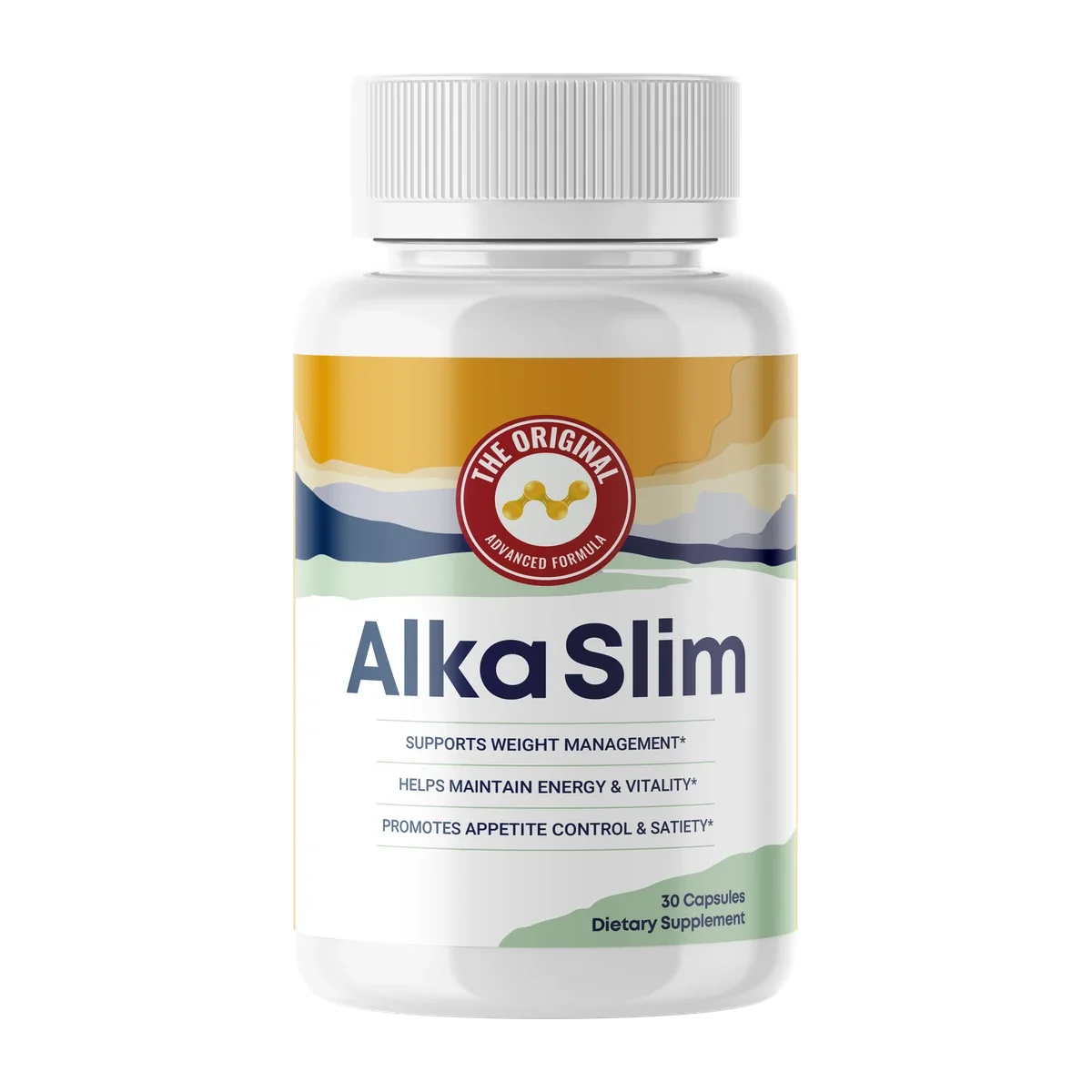
If you want the fuller picture of what actually holds up outside the injection, our roundup of the most evidence-backed natural Ozempic alternatives for 2026 ranks the ingredients with real data behind them and sets honest expectations for each.
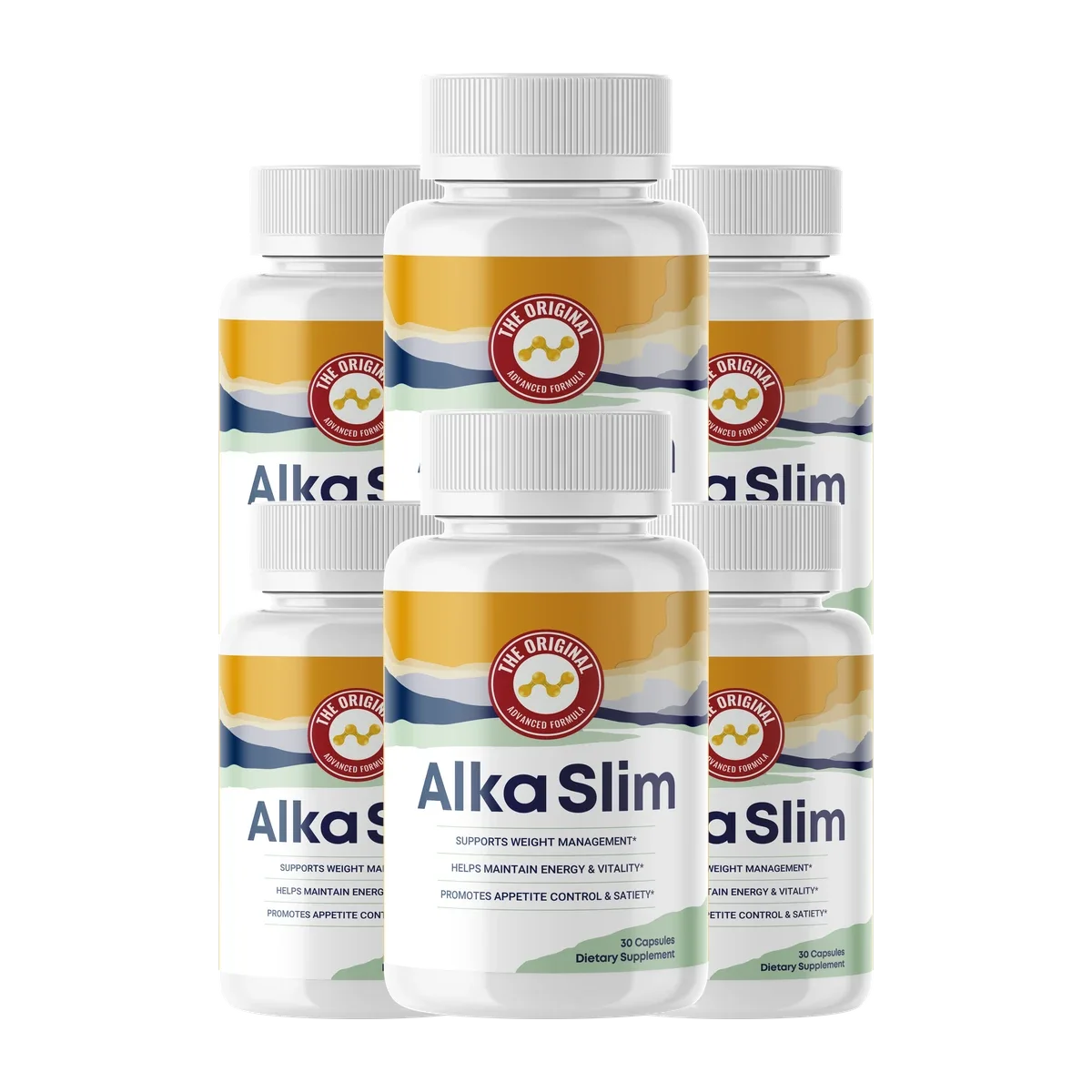
Want daily support without a prescription?
AlkaSlim is a fiber-forward, once-daily appetite formula taken with water before a meal — the accessible, no-GLP-1-access lane of this comparison. See current pricing and the 60-day guarantee on the official store.
Check AlkaSlim on the Official StoreWhere "nature's Ozempic" oversells the science
The phrase does two things at once, and both are misleading. First, it borrows the drug's reputation for a supplement that does not share its mechanism — the implication being that if you just take enough berberine you will get an Ozempic-shaped result. You will not; the ceiling on a metabolic supplement sits well below what a GLP-1 receptor agonist can do. Second, it flattens a real safety conversation. Ozempic is prescribed and monitored for a reason, and pretending a capsule delivers the same effect implies it should be treated as casually as a multivitamin.
None of this makes berberine a scam. It makes it a supplement that has been oversold by a viral nickname. The honest framing is simpler and more useful: berberine is arguably the most evidence-backed over-the-counter ingredient for metabolic support, and it delivers a modest, patient-rewarding effect. That is a good thing to be. It just is not the shot.
Three objections, answered honestly
"But I've seen people lose a ton of weight on berberine." Individual stories are real, but they are not the average, and they almost always sit on top of a diet change. Averages from trials describe typical results across many people; a striking before-and-after is the tail of the distribution, not the middle. Plan around the 2-to-3-kilogram average, and treat anything more as a welcome bonus rather than the expectation you paid for.
"Isn't a natural option always safer?" Natural does not mean inert. Berberine's most common side effects are digestive — cramping, diarrhea, constipation — and, more importantly, it interacts with several common medications, including some for blood sugar and blood pressure. It is not recommended in pregnancy or breastfeeding. A GLP-1 drug is monitored by a clinician; berberine is bought off a shelf, which means the responsibility to check interactions falls on you.
"If it's cheaper and works at all, why not just use it instead of the drug?" Because "works at all" and "works like the drug" are different sentences. If a clinician has prescribed a GLP-1 medication for a specific reason, berberine is not a like-for-like swap, and stopping a prescription to self-treat with a supplement is exactly the kind of decision that needs a doctor in the room. Where price genuinely matters is for the huge group of people who never had GLP-1 access in the first place — and that is a real, separate question we cover in our guide to over-the-counter versus prescription weight loss options.
Who berberine actually fits — and who needs a doctor
Berberine makes the most sense for someone whose main interest is blood-sugar and metabolic support, who is willing to wait several weeks for an effect that shows up on the scale slowly, and who is not taking medications that berberine can interfere with. Used that way, at a standardised dose and alongside a genuine calorie deficit, it is a reasonable, inexpensive tool.
It is the wrong tool for anyone expecting drug-sized results, anyone on interacting medication who has not cleared it with a clinician, and anyone who has been prescribed a GLP-1 medicine and is tempted to quietly replace it. If your doctor has put you on the injection, the injection is the plan; a supplement is at most a conversation to have with them, not a decision to make alone.
Where a daily formula like AlkaSlim fits
Here is the honest placement, because it matters for what you actually buy. AlkaSlim is not a berberine product and it is not a GLP-1 anything. Its four named ingredients are baobab fiber, konjac glucomannan, L-arabinose and spermidine, so it works on appetite and satiety — the fullness you feel before a meal — and by slowing how fast sugar is digested, rather than through berberine's AMPK route or a drug's hormone route. Different mechanism, different promise.
What it shares with berberine is the honest job description: daily support that makes a calorie deficit easier to keep, not a shortcut around one. For the large group of people priced out of or without access to GLP-1 shots, the realistic play is a gentle, once-daily habit you will actually stick with — taken with a full glass of water before your main meal — layered on top of the way you eat. If that is the lane you are in, a fiber-forward formula is a more comfortable everyday tool than a metabolic supplement you have to babysit for interactions. Set your expectations at "steady support," and it can earn its place; set them at "Ozempic in a capsule," and nothing on the supplement shelf will satisfy you.

Set honest expectations, then try it
If you want gentle, once-daily appetite support rather than a prescription substitute, AlkaSlim ships with a 60-day money-back guarantee so you can judge it on your own results.
Order AlkaSlim From the Official StoreFrequently asked questions
Is berberine really nature's Ozempic?
No — "nature's Ozempic" is a marketing line, not a scientific one. In human trials berberine trims roughly 2 to 3 kg, about 1 to 3 percent of body weight, over 12 weeks. Ozempic averages 10 to 15 kg. Berberine works through the AMPK enzyme pathway, not the GLP-1 appetite signaling a drug like semaglutide uses, and there is no conclusive evidence it mimics GLP-1 in people. It is a genuine metabolic supplement, but it is not a plant version of the injection.
Berberine vs Ozempic: how much weight loss?
The gap is large. Pooled berberine trials show average weight change near 2 to 3 kg — roughly 1 to 3 percent of starting weight — over about 12 weeks. Semaglutide trials show average loss around 10 to 15 kg, or roughly 6 to 15 percent, over longer periods. In other words the drug typically moves several times more weight than the supplement. Anyone expecting berberine to land in the Ozempic range is comparing an everyday nudge to a powerful prescription tool.
Can berberine replace Ozempic?
No, and treating it that way is the main mistake people make. If a clinician has prescribed a GLP-1 medication for you, berberine is not a substitute for it and should never be swapped in without a medical conversation. Where berberine genuinely earns its place is as the most evidence-backed over-the-counter option for people who do not have GLP-1 access at all — a modest daily support alongside a calorie deficit, not a replacement for the drug.
Does AlkaSlim contain a real berberine dose?
No — AlkaSlim is not a berberine product. Its four named ingredients are baobab fiber, konjac glucomannan, L-arabinose and spermidine, so it works through appetite and satiety and by slowing sugar digestion rather than through berberine's AMPK route. If berberine specifically is what you want, buy a standardised berberine supplement. If you want daily, gentle appetite support that does not rely on berberine at all, that is the lane AlkaSlim is built for.