Berberine vs Fiber for Weight Loss: Which Wins?
Is berberine better than fiber for weight loss?
Berberine vs fiber for weight loss: pooled trials put berberine near 2.07 kg and glucomannan fiber near 0.96 kg. They work differently, since berberine acts on blood sugar and metabolism over weeks while fiber gives gentle fullness within an hour. The right pick depends on your goal and your medication list.
- Berberine targets insulin and metabolism; effects on blood sugar show over 2 to 4 weeks, weight over 4 to 12 weeks.
- Fiber targets fullness; you feel it 30 to 60 minutes after a dose, with a gentler side-effect profile.
- Berberine can cause digestive upset and interacts with several medications; both still require a diet change to matter.
Berberine has become the supplement aisle's most talked-about metabolic ingredient, and the comparison people keep reaching for is berberine versus fiber. It is a fair fight to pick, because the two are the honest, non-stimulant options a careful shopper actually weighs against each other. But it is usually framed the wrong way — as if one number settles it. It does not. These ingredients do different jobs on different clocks, and the better question is not "which is stronger?" but "which one is solving my problem?" (see NIH Office of Dietary Supplements, Dietary Supplements for Weight Loss)
This article puts the two side by side on the things that matter: how much weight each moves in studies, how it does it, how fast, and what it costs you in side effects and cautions. By the end you should be able to point at the one that fits your situation — and know when the answer is quietly "both." If your real question is how either one compares with the prescription drugs, that is handled separately in berberine versus Ozempic.
Berberine for weight loss: what it does and how much
Berberine is an alkaloid extracted from several plants, and its interest for weight comes from where it acts: on the metabolic machinery. It nudges an enzyme pathway involved in how cells take up and use glucose, which is why most of its studied benefits cluster around blood sugar and insulin sensitivity rather than around appetite. The weight change is, in effect, downstream of the metabolic effect. (see The effect of berberine supplementation on obesity indices: A dose- response meta-analysis and systematic review of randomized controlled trials, Complementary therapies in clinical practice 2020)
On the numbers, berberine holds up reasonably well for a supplement. Pooled analyses of human trials put average weight change in the neighborhood of 2.07 kilograms — roughly four and a half pounds — over the study periods. That is a modest but real effect, and it is a touch larger than what viscous fiber tends to show. If your primary reason for shopping is blood-sugar focus rather than hunger, berberine is the ingredient built for that lane. Berberine is also the ingredient most often sold under a natural GLP-1 supplement label, a claim worth unpacking on its own terms.
Fiber for weight loss: what it does and how much
Viscous fiber — glucomannan from konjac root is the best-studied example — works nowhere near the metabolism. Taken with water before a meal, it absorbs liquid and forms a gel in the stomach, slowing how fast the stomach empties and taking up physical space. The result is earlier, longer fullness, so you tend to eat somewhat less without fighting your appetite. It is a mechanical effect, not a chemical one, and that is the source of both its gentleness and its limits. (see The effect of glucomannan on body weight in overweight or obese children and adults: a systematic review of randomized controlled trials, Nutrition (Burbank, Los Angeles County, Calif.) 2015)
On the numbers, glucomannan trials average around 0.96 kilograms — a little over two pounds — of weight change. Smaller than berberine on paper. But the mechanism gives fiber two advantages the average hides: you feel the fullness within roughly 30 to 60 minutes of a dose, and there is no metabolic interaction to worry about. For the deeper mechanics of the gel and why the dose has to reach about 3 grams a day, our detailed guide to konjac glucomannan for weight loss is the companion piece to this one.
Leaning toward the fiber route?
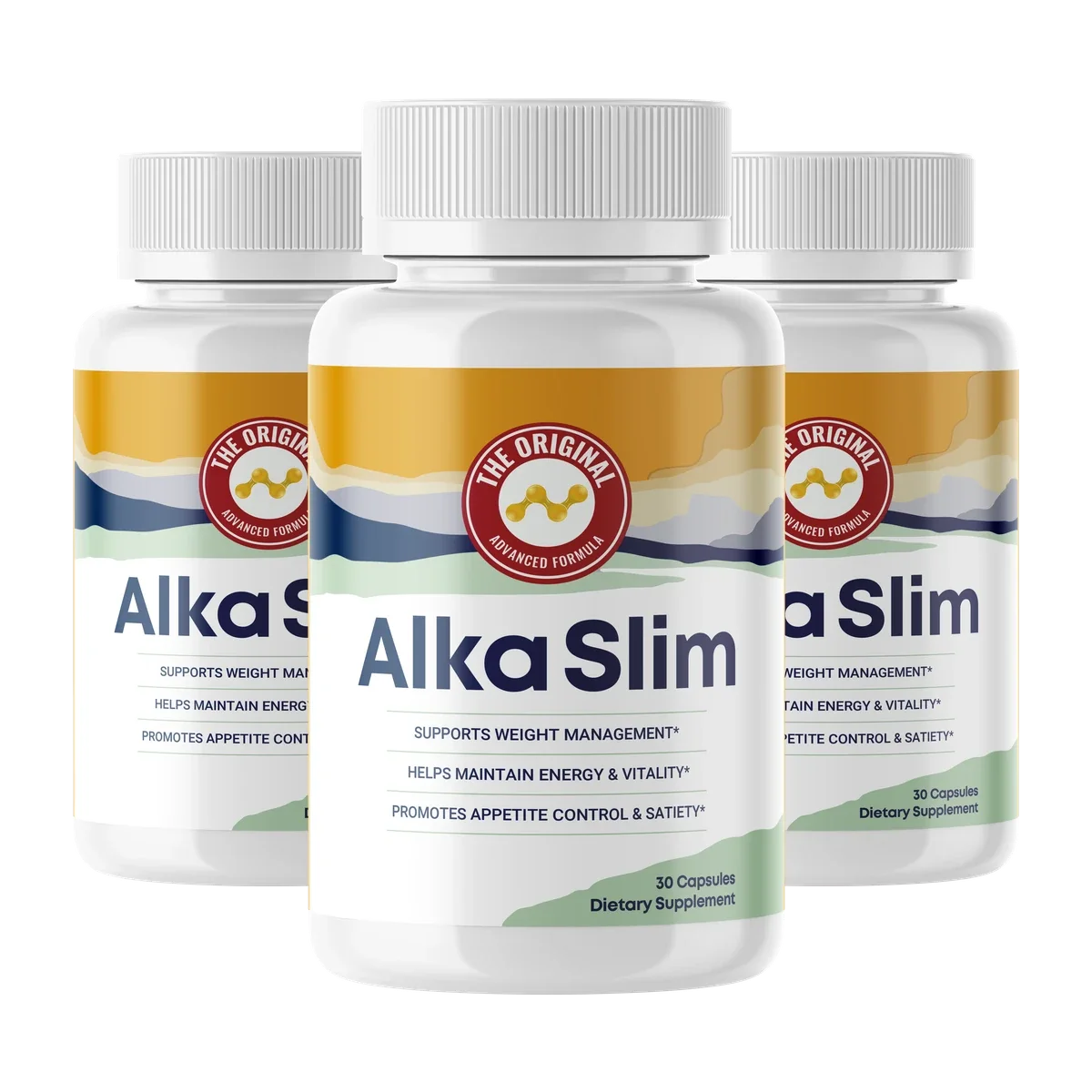
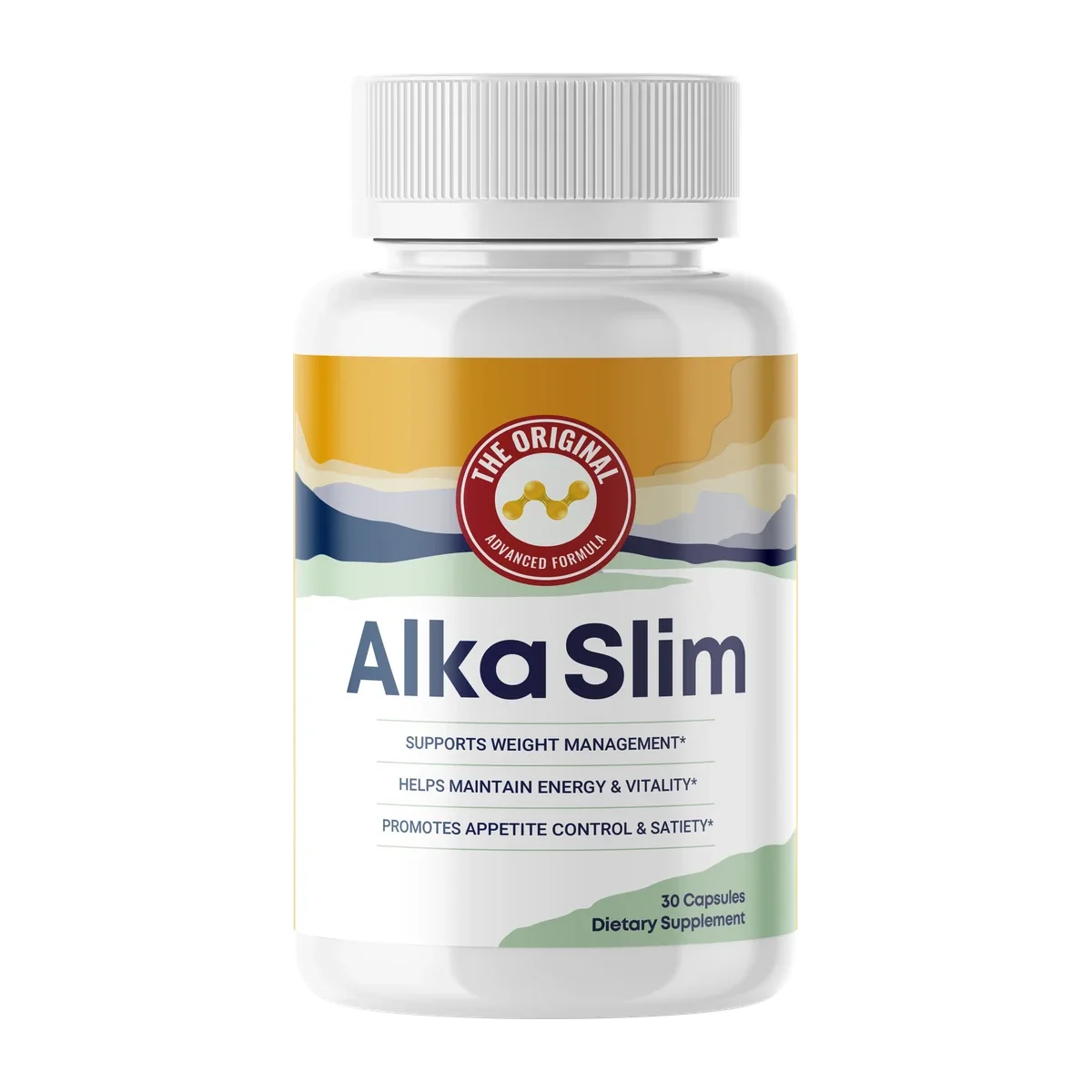
AlkaSlim is a fiber-forward, once-daily appetite formula taken with water before a meal — the gentle-satiety side of this comparison. See current pricing and the 60-day guarantee on the official store.
Check AlkaSlim on the Official StoreThe timeline difference nobody mentions
This is where the comparison usually goes wrong, so it deserves its own section. Fiber and berberine run on completely different clocks, and judging one on the other's schedule is how people talk themselves out of a supplement that was actually working.
Fiber is fast on the thing it does. You take it before a meal, and within about half an hour to an hour the gel has formed and the fullness is real. You can feel whether it is doing its job on day one. Berberine is the opposite: because it works through metabolism, its blood-sugar effects take roughly 2 to 4 weeks to settle in, and the weight change generally shows over about 4 to 12 weeks. Judge berberine at day three and you will conclude it does nothing, which is simply reading the clock wrong. Berberine rewards a full cycle; fiber rewards consistency at the right dose.
Side effects and cautions, compared
On safety, the two are not equal, and this is often the deciding factor. Berberine's most common side effects are digestive — cramping, diarrhea, constipation, general stomach upset — and they tend to be dose-related. More importantly, berberine interacts with several common medications, including some for blood sugar and blood pressure, and it can push blood sugar lower when stacked on top of them. It is not recommended in pregnancy or breastfeeding. None of that makes it dangerous in a vacuum, but it does make it an ingredient you clear with a clinician if you take anything else.
Fiber's cautions are milder and mostly mechanical. The gel that creates fullness can also cause gas or bloating, especially if you ramp up too fast, and the golden rule is to take it with a full glass of water — dry-swallowing a swelling fiber is the main way people get into trouble. It can also slow the absorption of other pills, so it should be separated from medications by a couple of hours. That is a shorter and gentler list than berberine's, which is a real part of why fiber ranks first for a general shopper who is not specifically targeting blood sugar.
Three myths to clear up first
Myth 1: the bigger average number wins outright. Berberine's ~2.07 kg beats fiber's ~0.96 kg on paper, but an average is not a promise, and a slightly larger average with a longer side-effect and interaction list is not automatically the better pick for you. Fit beats magnitude here.
Myth 2: berberine is "nature's Ozempic." It is a catchy line and it oversells the ingredient badly. Berberine and GLP-1 medications are not the same class, the same mechanism, or the same magnitude of effect. Treating a modest supplement as a stand-in for a prescription medicine sets you up for disappointment and, if you skip a real medical conversation, for risk.
Myth 3: either one works without a diet change. Both averages above come from studies where people were also changing how they ate. Neither ingredient creates a calorie deficit on its own; they make an existing deficit easier to keep — berberine by smoothing blood sugar, fiber by taking the edge off hunger. Our overview of what makes a weight loss supplement actually work makes the same point with the wider evidence.
Can you take berberine and fiber together?
Yes, and for some people it is the sensible answer, because the two hit different targets: one on blood sugar and metabolism, the other on stomach fullness. If you go that route, three practical rules keep it clean. Keep your water intake high, because fiber demands it. Introduce them one at a time, a week or two apart, so that if digestive upset shows up you know which one to blame. And separate the fiber dose from any other pills by a couple of hours, since the gel can slow absorption. Above all, if you take any prescription medication, clear the combination with your clinician before you start — berberine's interaction list is the reason that is not optional.
Cost, routine and how likely you are to stick with it
Averages from trials describe people who took their supplement every day for the whole study. In real life, the ingredient you keep taking beats the ingredient with the better paper number that ends up in the back of a drawer — so the practical question of adherence quietly decides a lot. Fiber's routine is forgiving: a dose with water before your main meal, and the fullness gives you same-day feedback that makes the habit easy to reinforce. Berberine's routine asks more of you. It is often taken more than once a day with meals to spread out the digestive load, and its payoff is invisible for weeks, which makes it easier to drift off before it has had a chance to work.
Cost tends to track that pattern too. Both are inexpensive next to a prescription route, but the real cost of any supplement is the money spent on bottles you did not finish. The honest planning move is to match the ingredient to a routine you will genuinely keep: pick the one whose daily ask and feedback loop fit your life, not just the one with the slightly larger number in a meta-analysis. That is usually the difference between a supplement that helps and one that quietly wastes your money.
So which one should you pick?
Reduce it to your goal. If your main concern is blood sugar and you are willing to wait several weeks and watch for interactions, berberine is the ingredient built for that job, and its slightly larger average reflects it. If you want gentle, same-day help with appetite, a cleaner safety profile, and no metabolic interaction to manage, viscous fiber is the more comfortable everyday tool — which is the lane a fiber-forward formula like AlkaSlim is designed for. Neither is a shortcut around eating well; both are nudges that make eating well easier to sustain. Pick the nudge that matches the problem you actually have.

Want the gentle, fast-satiety option?
If fiber's quick, mild fullness fits your plan better than berberine's slow metabolic route, AlkaSlim ships with a 60-day money-back guarantee so you can judge it on your own results.
Order AlkaSlim From the Official StoreFrequently asked questions
Is berberine better than fiber for weight loss?
On average weight change, berberine edges ahead — pooled trials put it near 2.07 kg versus about 0.96 kg for glucomannan fiber. But better on paper does not mean better for you: berberine works on blood sugar and metabolism, can upset digestion and interact with medications, while fiber offers fast, gentle satiety with a milder profile. The right choice depends on your goal and your medication list.
How long does berberine take to work?
Berberine acts on metabolism, so it is not immediate. Blood-sugar and insulin effects tend to appear over roughly 2 to 4 weeks of consistent use, and measurable weight change usually takes about 4 to 12 weeks. Fiber, by contrast, produces its fullness effect within about 30 to 60 minutes of a dose. Berberine rewards patience across a full cycle rather than a single dose.
Can I take berberine with a fiber supplement?
Many people do, because the two work by different routes — berberine on blood sugar and metabolism, fiber on stomach fullness. The practical cautions are to keep water intake high, introduce them one at a time so you can tell which causes any digestive upset, and separate fiber from other pills by a couple of hours since it can slow absorption. If you take any medication, clear the combination with your clinician first.
What are berberine's side effects?
The most common are digestive: cramping, diarrhea, constipation and stomach upset, usually dose-related. More importantly, berberine interacts with several common medications, including some for blood sugar and blood pressure, and can push blood sugar lower when combined with them. It is not recommended in pregnancy or breastfeeding. Anyone on medication should talk to a clinician before starting it.
Which works faster, berberine or fiber?
Fiber is faster, giving gentle fullness within about an hour. Berberine shows blood sugar effects over 2 to 4 weeks and weight changes over 4 to 12 weeks.
Related reading
References
- PubMed — The effect of berberine supplementation on obesity indices: A dose- response meta-analysis and systematic review of randomized controlled trials (Complementary therapies in clinical practice, 2020)
- PubMed — The effect of glucomannan on body weight in overweight or obese children and adults: a systematic review of randomized controlled trials (Nutrition (Burbank, Los Angeles County, Calif.), 2015)
- NIH Office of Dietary Supplements — dietary supplements for weight loss
- FTC — health products compliance guidance