Konjac Glucomannan for Weight Loss: How to Use It
How does konjac glucomannan help with weight loss?
Konjac glucomannan for weight loss works as a viscous soluble fiber that swells into a gel in the stomach, so you feel full sooner and eat less. Human research uses about 1 gram three times a day before meals with plenty of water. The effect on weight is real but modest.
- Studied dose: roughly 1 gram, three times daily, 15–30 minutes before meals with a full glass of water.
- A 2024 randomised trial (112 people, 180 days) showed weight and body-composition benefit versus placebo.
- Expect a modest edge — on the order of 1 to 4 pounds over placebo — not a dramatic transformation.
Of all the ingredients marketed for appetite control, konjac glucomannan for weight loss has one of the clearest and least mysterious mechanisms: it is a fibre that swells, fills you up, and helps you eat a little less. There is no stimulant, no metabolic trickery, and no need for a leap of faith about how it works. What separates people who get value from it from those who waste their money is almost entirely a matter of how they use it — the dose, the timing, and the glass of water that is not optional. This guide covers all three, alongside an honest look at how much difference the research says you can realistically expect. (see NIH Office of Dietary Supplements, Dietary Supplements for Weight Loss)
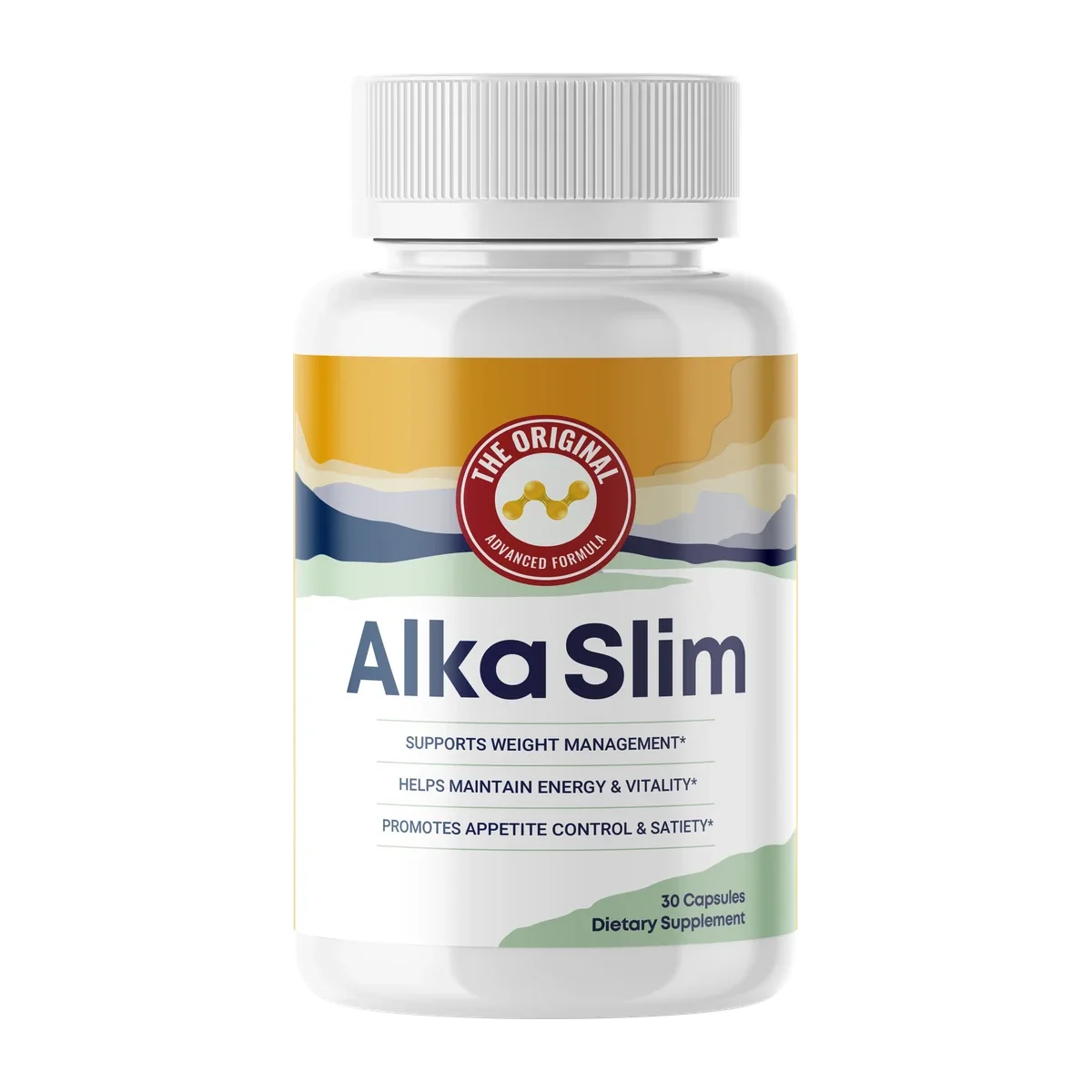
Glucomannan is also the fibre core of AlkaSlim, which is why it earns a full explainer here. Understand the ingredient properly and you can judge whether any product built around it — this one included — is being used the way the science intends.
What konjac glucomannan actually is
Glucomannan is a soluble dietary fibre extracted from the root of the konjac plant (Amorphophallus konjac), an East Asian tuber that has been used in foods like shirataki noodles for centuries. Chemically it is a long chain of two sugars — glucose and mannose — that your body cannot digest or absorb. That indigestibility is the whole point: it passes through the upper gut intact, doing its work by physical presence rather than by being broken down for energy. (see The efficacy of glucomannan supplementation in overweight and obesity: a systematic review and meta-analysis of randomized clinical trials, Journal of the American College of Nutrition 2014)
Its defining property is viscosity. Glucomannan is one of the most water-absorbing fibres known, able to soak up many times its own weight in liquid and thicken into a dense gel. Drop it into water and you can watch it turn thin liquid into something closer to pudding. That single characteristic — the ability to form a thick, slow-moving gel — is the source of every effect described in this article, both the helpful ones and the side effects. That is a very different kind of claim from the one made for AlkaSlim’s other named ingredient, spermidine, which acts inside cells rather than in the stomach.
How konjac glucomannan drives weight loss
The mechanism behind konjac glucomannan for weight loss is mechanical and it happens in three overlapping stages:
- It fills the stomach. Taken with water before a meal, glucomannan swells into a gel that physically occupies space in the stomach. A partly full stomach signals fullness to the brain before you have eaten, so you tend to start the meal less hungry and finish it sooner.
- It slows gastric emptying. The thick gel leaves the stomach more slowly than liquid or ordinary food, which stretches out the feeling of fullness well past the end of the meal. That is why the useful window is before eating, not after.
- It blunts the glucose curve. By slowing how fast the stomach empties, the gel also slows how quickly carbohydrate reaches the small intestine, which can flatten the post-meal rise in blood sugar. The relevant weight outcome here is steadier appetite between meals rather than the spike-and-crash that drives snacking.
Notice what is absent: there is no stimulant, no "fat burner" claim, no metabolic acceleration. Glucomannan does not make you burn more — it makes it easier to eat less. That is a real and useful lever, but it is a gentle one, and setting expectations to match is half the battle. If you want to see how this appetite mechanism compares with other options, our roundup of the best appetite suppressant supplements puts glucomannan in context against the alternatives.
The dose that was actually studied
This is the part most product pages skip, and it is the part that decides whether you get a result. The human research that supports glucomannan does not use a token sprinkle — it uses a meaningful amount, spread across the day and timed to meals. The studied protocol is:
- About 1 gram, three times a day — roughly 3 grams total daily.
- 15 to 30 minutes before each main meal — so the gel has formed by the time you start eating.
- With a full glass of water (at least 8 oz / 250 ml) each time — this is both what makes it work and what makes it safe.
The timing and the split matter as much as the total. A single gram before a meal has time to swell and blunt appetite for that meal; the same 3 grams taken all at once, or taken after eating, largely misses the point. This is also why a disclosed dose is so important on any product built around glucomannan. AlkaSlim names glucomannan among its ingredients but, like the rest of its panel, publishes no amount for it, so there is no way to confirm from the label alone that a serving reaches the roughly 3-grams-a-day the research relies on. That single gap is worth weighing before you buy — our note on why an undisclosed supplement dose cannot be checked against the literature explains the problem in full using another of the formula's ingredients.
What the research really shows
Glucomannan has been studied for decades, and the honest summary is that it helps a little, reliably, when it is dosed and timed correctly. A representative recent example is a 2024 randomised controlled trial that followed 112 people over 180 days and found a measurable benefit for both body weight and body composition in the glucomannan group compared with placebo. A randomised, placebo-controlled design over six months is a genuinely useful piece of evidence — far stronger than a testimonial or a before-and-after photo.
But the size of the effect is where honesty matters most. Across the body of research, the typical edge glucomannan gives over placebo is modest: on the order of a few pounds — roughly 1 to 4 pounds — over weeks to months, on top of whatever diet and activity are doing. That is a real effect and, for a well-tolerated fibre with a clear mechanism, a respectable one. It is not, and cannot honestly be sold as, a substitute for the diet and movement doing the heavy lifting. A dietary supplement is support alongside those, not a replacement for them, and individual results vary.

Want the glucomannan-based formula?
AlkaSlim builds its fibre core on konjac glucomannan and is backed by a 60-day money-back guarantee at the official store.
See AlkaSlim on the Official StoreHow to take glucomannan correctly and safely
The instructions are short but not optional, and the water rule in particular is a genuine safety matter rather than a suggestion:
- Always take it with a full glass of water, and never dry. Because glucomannan swells on contact with liquid, taking it without enough water — or letting a capsule stick in the throat — risks it expanding before it reaches the stomach. Take each dose with a large glass of water and stay upright afterward.
- Take it 15–30 minutes before meals. This gives the gel time to form so it is working when the food arrives.
- Start low and build up. Beginning with one dose a day and working up over a week or two lets your gut adjust and reduces the early bloating and gas that are the most common complaints.
- Separate it from medications. Because it slows gastric emptying, glucomannan can slow the absorption of some medicines and other supplements. A common approach is to take medications at least an hour before or a few hours after — but confirm the specifics with your pharmacist or clinician.
For most healthy adults, glucomannan is generally well tolerated, and the side effects that do occur — bloating, gas, looser stools — are digestive, dose-related, and tend to settle as the gut adapts. For the full rundown of what to watch for and who should be cautious, see our dedicated guide to glucomannan side effects and safety.
Common myths and objections
"More is better, so I'll double the dose." No. Above the studied amount you mostly buy yourself more gas and bloating, not more benefit, and you increase the water requirement. The research effect comes from the roughly 3-grams-a-day protocol, split before meals — not from megadosing.
"It's a cleanse / it flushes out fat." No. Glucomannan does not "detox" anything and it does not bind or remove dietary fat in any meaningful way. It works by fullness and slowed digestion, full stop. Any product implying it melts or flushes fat is overselling the fibre.
"If it doesn't work in three days, it doesn't work." The fullness at each meal is immediate, but the weight effect builds over weeks. The main evidence runs to 180 days of daily use, so the fair test is months, not days. If you are trying to plan a realistic trial length, our timeline on how long AlkaSlim takes to work maps the expectation to the calendar.
Where glucomannan fits in AlkaSlim
Glucomannan is the fibre backbone of AlkaSlim, and on mechanism alone it is the most defensible reason to be interested in the product: a well-studied fibre with a clear, non-stimulant route to eating less. The open question is not whether glucomannan works — it does, modestly — but whether this particular capsule delivers it at the amount and in the before-meal pattern the research relies on. Since AlkaSlim publishes no amount for glucomannan and is a once-daily capsule rather than a thrice-daily, before-each-meal protocol, the label alone cannot confirm it matches the studied use.
That is not a reason to dismiss it — it is a reason to buy it with eyes open, use it correctly (with water, ideally before your largest meal), and judge it over months against the modest, honest benchmark the research sets. Treat it as a fibre-based appetite aid alongside your diet, not as a magic bullet, and it can be a sensible tool.
Try the fibre-first formula for yourself
If a glucomannan-based, non-stimulant appetite aid fits your plan, AlkaSlim is available now with free shipping on the larger tiers and a 60-day guarantee.
Order NowFrequently asked questions
How does konjac glucomannan cause weight loss?
Glucomannan is a viscous soluble fibre that absorbs water and swells into a thick gel in the stomach. That gel takes up space and slows how quickly the stomach empties, so you feel full sooner and stay full longer, which tends to reduce how much you eat at the meal that follows. The effect is mechanical, not stimulant, so there is no jittery lift.
How much glucomannan should I take?
The amount used in the human research is about 1 gram taken three times a day, roughly 15 to 30 minutes before each main meal, always with a full glass of water. That comes to about 3 grams a day in total. Because AlkaSlim does not publish the amount of glucomannan in a capsule, you cannot confirm it matches that studied dose.
How long until glucomannan works?
The fullness effect is immediate at each dose, because the gel forms within minutes of reaching the stomach. Any effect on body weight, however, builds slowly over weeks of consistent use. The main trial ran for 180 days, so judge it over months of daily use before meals, not days.
Is konjac glucomannan safe?
For most healthy adults it is generally well tolerated, with bloating, gas or loose stools the most common complaints. The one real safety rule is water: because it swells on contact with liquid, glucomannan must be taken with a full glass of water and never dry, to avoid it expanding in the throat or oesophagus. Speak to your clinician first if you take medication or have a swallowing difficulty.
What is the studied dose of konjac glucomannan?
The research uses roughly 1 gram three times daily, 15 to 30 minutes before meals, with a full glass of water.
References
- PubMed — The efficacy of glucomannan supplementation in overweight and obesity: a systematic review and meta-analysis of randomized clinical trials (Journal of the American College of Nutrition, 2014)
- NIH Office of Dietary Supplements — dietary supplements for weight loss
- EFSA — scientific opinion on glucomannan and body-weight claims
- FTC — health products compliance guidance