Best Appetite Suppressant Supplements (2026)
What is the best appetite suppressant supplement?
For most people the best-supported over-the-counter option is a viscous soluble fiber such as glucomannan or baobab pectin. It gels in the stomach, slows how fast the stomach empties, and blunts hunger between meals with a strong safety record. It is not the most dramatic option, but it is the most reliable one that does not lean on stimulants.
- Viscous soluble fiber is the safest reliable appetite suppressant type, and it works by physical fullness rather than stimulation.
- Protein and a glass of water before meals amplify the same fullness effect for almost no cost.
- Stimulant suppressants can curb hunger harder but carry more side effects and a worse safety profile.
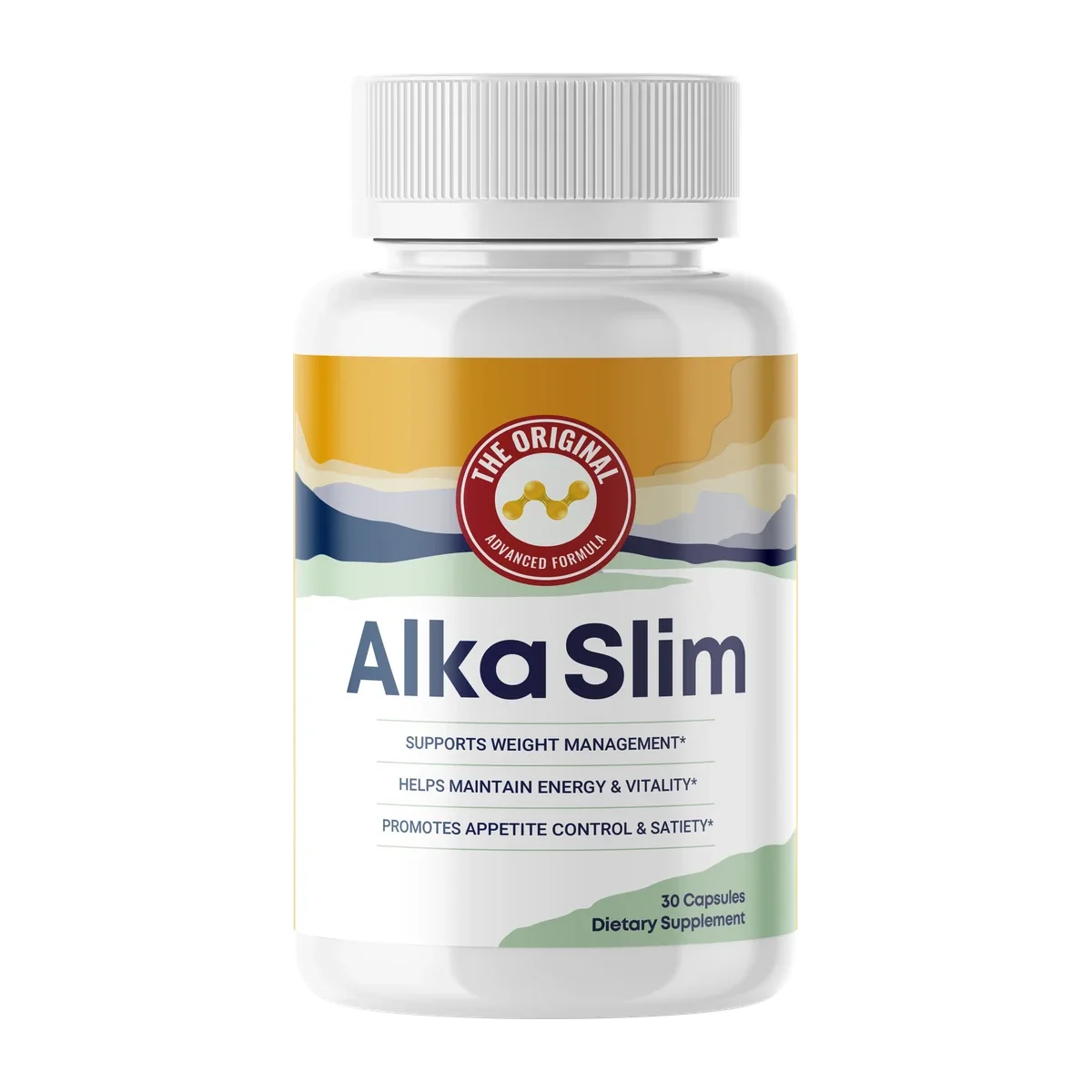
Choosing an appetite suppressant is really a choice between mechanisms, not brands. Once you understand how a given supplement dulls hunger, the marketing sorts itself out and the safest reliable option becomes obvious. This guide ranks the main appetite suppressant types by the quality of their human evidence and the plausibility of how they work, so a hungry shopper can pick the one most likely to help without unpleasant surprises. We will be candid about where the evidence is strong, where it is thin, and where a cheap kitchen habit outperforms a pill. (see NIH Office of Dietary Supplements, Dietary Supplements for Weight Loss)
What "appetite suppressant" actually means
An appetite suppressant is anything that reduces how much you want to eat, whether by making you feel full sooner, keeping you full longer, or dampening the hunger signal itself. That is the whole definition, and it matters because it sets an honest expectation. No appetite suppressant burns fat. Its entire job is to make eating less feel easier, and any weight change comes from the calories you then do not eat. If a product promises fat-burning on top of appetite control, it is describing two different mechanisms and usually overselling both.
With that framing, the supplements fall into a small number of categories: viscous soluble fibers, protein and protein-adjacent aids, stimulant-based suppressants, and a long tail of weakly evidenced botanicals. They are not equal, and ranking them by evidence rather than by hype changes the order most marketing would give you. The protein side of that list is covered in detail in protein powder for weight loss.
1. Viscous soluble fiber — the safest reliable pick
At the top sits viscous soluble fiber, the group that includes glucomannan (from konjac root), baobab pectin, psyllium and beta-glucan from oats. The mechanism is refreshingly physical and easy to verify: these fibers absorb many times their weight in water and form a thick gel in the stomach. That gel takes up space, slows the rate at which the stomach empties into the intestine, and stretches out the arrival of fullness signals so you feel satisfied on less food and stay satisfied longer between meals. (see The effect of extracted and isolated fibers on appetite and energy intake: A comprehensive review of human intervention studies, Appetite 2023)
Two things make this category the best default. First, the effect does not depend on stimulating your nervous system, so you avoid the jitters, the racing heart and the disrupted sleep that come with stimulant suppressants. Second, glucomannan in particular has the strongest human evidence of any over-the-counter appetite fiber, which is why it anchors fiber-first formulas and why we rank it first in our wider look at the weight loss supplements that actually have evidence. The trade-off is honesty about scale: fiber is a nudge, not a switch. It reliably makes eating less easier; it does not make weight fall off on its own.
2. Protein and water — the free amplifiers
Not a supplement in the pill sense, but too effective to leave out. Protein is the most satiating of the three macronutrients, gram for gram, and eating it first in a meal reliably reduces how much of everything else you go on to eat. A protein shake between meals does the same job many appetite pills claim to. Water belongs here too: a glass before a meal takes up stomach volume and, combined with a fiber that gels, exaggerates the fullness effect further. These are the cheapest appetite tools in existence, they stack with any supplement, and no honest ranking should pretend a capsule beats them. A structured version of the same idea, with the calories counted for you, is the case for meal replacement shakes.
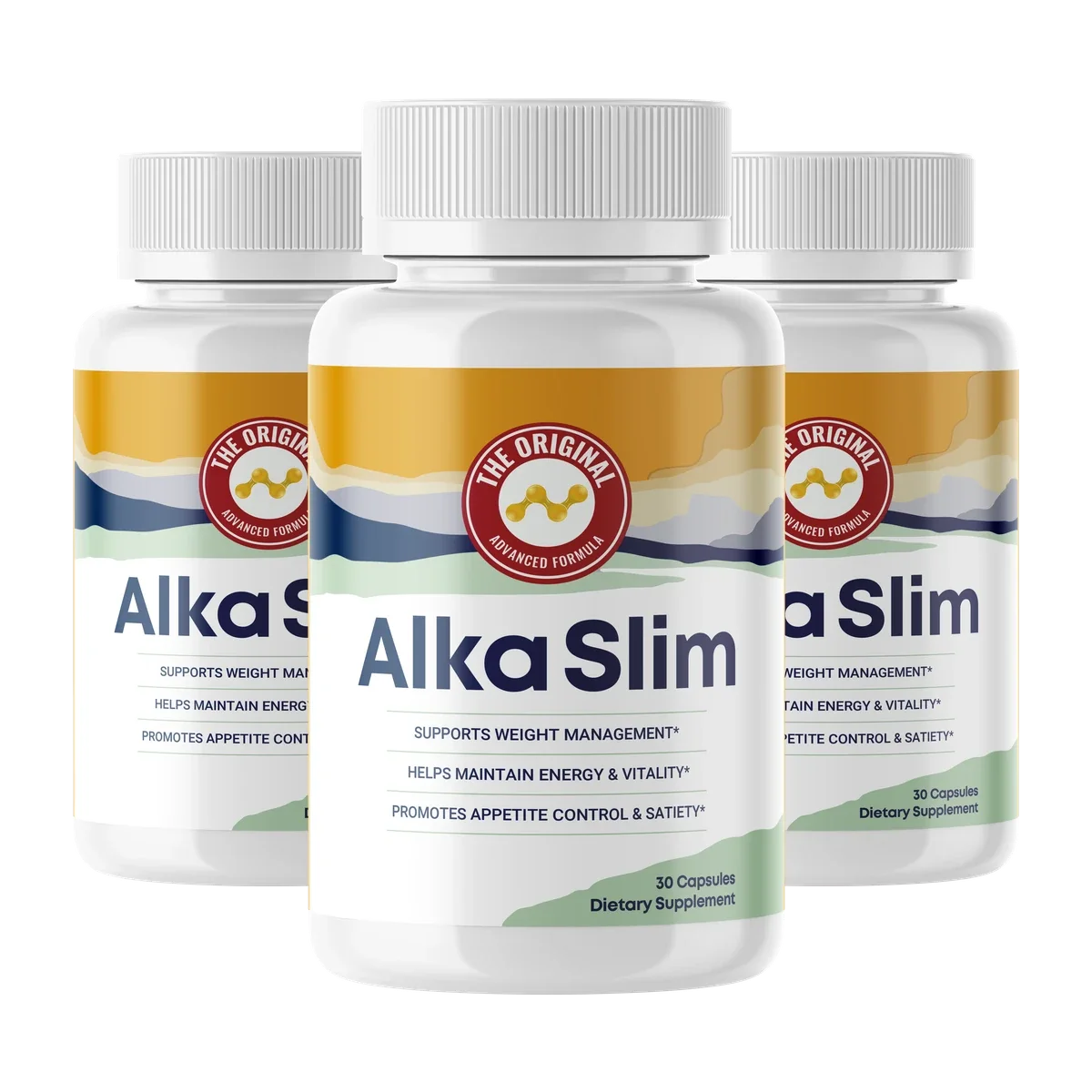
Want the fiber-first mechanism in a capsule?
AlkaSlim is built around glucomannan, the viscous soluble fiber at the top of this ranking. Check current pricing and the 60-day guarantee on the official store.
See AlkaSlim On The Official Store3. Stimulant-based suppressants — stronger, riskier
Caffeine and related stimulants can genuinely blunt appetite, and in the short term they often blunt it harder than fiber does. That is the appeal. The problem is the bill that comes with it. Stimulant suppressants act on the brain and nervous system, and the same activation that dulls hunger also raises heart rate, can cause jitteriness and anxiety, and frequently wrecks sleep, which quietly increases hunger the next day and works against you. They are a poor fit for anyone with high blood pressure or a heart condition, and tolerance builds, so the appetite effect fades while the side effects linger. For most people chasing sustainable eating changes, the stimulant route trades a bigger short-term hit for a worse long-term profile.
4. The weakly evidenced tail
Below the top three sits a crowded field of botanicals and extracts marketed as appetite suppressants on thin evidence: various plant extracts, "metabolism" blends, and proprietary mixes that hide their doses. Some may do a little; most are backed by small, short or industry-funded studies that do not replicate. The tell is almost always the label. When a product names an exotic ingredient but hides the dose behind a "proprietary blend," you cannot compare it to any study, and you are buying a story rather than a mechanism. Judge this whole tier by whether the dose is disclosed and whether the mechanism is one you can actually explain. (see Academy of Nutrition and Dietetics on fad diets)
Objection: "Don't the strongest suppressants get the best results?"
Only in the first few weeks, and usually at a cost. The strongest appetite hits tend to come from stimulants, and the very intensity that makes them feel effective is what makes them hard to sustain and rough on the body. Weight management is a months-long project, not a two-week sprint, and the tool that wins is the one you can keep using safely. A viscous fiber you tolerate for six months beats a stimulant you abandon after three weeks. "Strongest" and "best" are not the same word.
Objection: "Aren't appetite suppressants dangerous?"
It depends entirely on the type, which is exactly why the mechanism ranking matters. Soluble fiber suppressants are generally very well tolerated; the main complaint is gas or bloating as the fiber ferments, which eases if you build the dose up slowly and drink enough water. There is one real safety rule with any fiber that gels: take it with a full glass of water so it expands in your stomach and not your throat. Stimulant suppressants are the ones that earn the "dangerous" reputation, and they deserve the caution. If you take medication or manage a health condition, run any suppressant past a clinician first.
Objection: "Isn't eating whole foods enough?"
Often, yes, and that is the honest answer most sellers will not give you. A diet genuinely rich in soluble fiber, protein and water covers most of what an appetite suppressant supplement does. The case for a capsule is narrower: convenience, consistency, and hitting a fiber dose you struggle to reach from food alone. A supplement earns its place as a reliable top-up to a good diet, not as a replacement for one. If you go that route, our companion guide to natural appetite suppressant foods and supplements shows how to combine the two.
Timing matters as much as the ingredient
An appetite suppressant that is right in principle can do nothing if it is taken at the wrong moment. Viscous fibers need to be in your stomach before the food arrives, because the gel has to form and take up space before hunger and portion size are decided. That usually means taking them with a full glass of water fifteen to thirty minutes ahead of the meal you most want to control, not with it or after it. Taken after you have already eaten, a fiber capsule has missed its window entirely.
The same logic applies to which meal you target. Most people do not overeat evenly across the day; there is usually one danger zone, whether that is the mid-afternoon snack raid or the second helping at dinner. Aim the suppressant at that zone rather than spreading it thin. And build the dose up gradually rather than starting at the maximum, because the gas and bloating that fiber can cause are far milder when your gut is given a week or two to adjust. Consistency at a tolerated dose beats an aggressive dose you quietly abandon.
How to choose in practice
Work top-down through the ranking. Start with the free amplifiers: protein first, water before meals. If you want a supplement on top, reach for a viscous soluble fiber and specifically one that discloses its dose, because the dose is what ties the product to the evidence. Skip the stimulant route unless you have a specific reason and a clinician's blessing, and treat the weakly evidenced tail as marketing until a disclosed dose and a real mechanism prove otherwise. Above all, keep the expectation honest: the supplement makes eating less easier, and the eating less is what changes the scale. Pair the mechanism with the right timing and a diet built around fullness, and you have done everything an appetite suppressant can realistically do for you.
Related reading

Try the top-ranked mechanism, guarantee attached
If viscous soluble fiber is the appetite tool you want, AlkaSlim delivers it in a once-daily capsule backed by a 60-day money-back guarantee on the official store.
Order AlkaSlim From The Official StoreFrequently asked questions
What is the best appetite suppressant supplement?
For most people the best-supported over-the-counter option is a viscous soluble fiber such as glucomannan or baobab pectin. It gels in the stomach, slows how fast the stomach empties, and blunts hunger between meals with a strong safety record. It is not the most dramatic option, but it is the most reliable one that does not lean on stimulants.
How do appetite suppressants work?
Most work in one of two ways. Soluble fibers physically fill and slow the stomach so fullness signals arrive sooner and last longer. Stimulant-based suppressants instead act on the brain and nervous system to dull hunger. Either way, the result is that you eat less. The supplement does not burn fat by itself; the calorie reduction does the work.
Are appetite suppressants safe?
Soluble fiber suppressants are generally well tolerated, with gas or bloating the most common complaint, and should be taken with plenty of water. Stimulant-based options carry more risk, including raised heart rate, jitteriness and sleep problems, and are a poor fit for anyone with blood pressure or heart concerns. Check with a clinician before starting if you take medication.
What natural foods suppress appetite?
Whole foods high in soluble fiber, protein and water do the same job as many supplements. Beans, oats, chia and flax, apples, leafy greens, eggs and Greek yogurt all promote fullness. Drinking water before a meal and eating protein first are two of the simplest, cheapest appetite tools there are, and they work alongside any supplement.
References
- NIH Office of Dietary Supplements — dietary supplements for weight loss
- PubMed — The effect of extracted and isolated fibers on appetite and energy intake: A comprehensive review of human intervention studies (Appetite, 2023)
- Academy of Nutrition and Dietetics — fiber, protein and fullness
- FTC — health products compliance guidance