Natural Appetite Suppressant Foods and Supplements
What is the best natural appetite suppressant?
The best natural appetite suppressant is a pattern rather than one item: high-fiber, high-protein, high-water foods eaten first, with a viscous fiber such as glucomannan or baobab added for staying power. The aim is to feel full on fewer calories. Fiber, protein and water are the three levers that curb hunger.
- Fibre, protein and water are the three levers that curb hunger — foods that combine them do the heavy lifting.
- Viscous fibres like glucomannan gel in the stomach within about 30 to 60 minutes, extending fullness after a meal.
- Drink a glass of water before eating and lead with protein and vegetables to blunt appetite naturally.
Hunger is not a character flaw, and beating it is not a matter of willpower. If you are looking for a natural appetite suppressant, the useful starting point is understanding that appetite is a signal you can shape — with the volume, composition and timing of what you eat — long before you reach for a capsule. Done well, you end the day having eaten fewer calories without spending it hungry. Done badly, you white-knuckle through cravings until they win. This guide is about doing it well, using foods, viscous fibres and a few simple habits that work with your biology instead of against it.
One honest ground rule first: the goal is never to eliminate appetite. A suppressed-to-zero appetite is neither achievable nor healthy. The goal is to feel genuinely satisfied on a smaller number of calories, so that the calorie reduction weight loss requires stops feeling like deprivation. Keep that framing and every tool below makes sense.
The three levers that actually curb hunger
Strip appetite control down and almost everything that works pulls on one of three levers: fibre, protein and water. Fibre adds bulk and, in its viscous forms, slows digestion so the stomach empties more gradually. Protein is the most satiating of the three macronutrients per calorie and influences the gut hormones that tell your brain you have eaten. Water adds volume and stretches the stomach, and mild dehydration is frequently misread as hunger. Foods that combine two or three of these levers — a bowl of lentil soup, Greek yoghurt with berries, a vegetable-heavy omelette — are far more filling than their calorie count alone would predict. (see A high-protein diet induces sustained reductions in appetite, ad libitum caloric intake, and body weight despite compensatory changes in diurnal plasma leptin and ghrelin concentrations, The American journal of clinical nutrition 2005)
This is why calorie-for-calorie comparisons can feel like magic. Two hundred calories of soda does almost nothing for fullness; two hundred calories of eggs and vegetables can hold you for hours. Nothing was "suppressed" chemically — the food simply engaged the machinery that produces satiety.
It also explains why so many "eat less, try harder" diets fail. When a meal is built from fast-digesting refined carbohydrates and little else, it clears the stomach quickly and spikes then drops blood sugar, which brings hunger roaring back within an hour or two. The person then blames their willpower, when the real culprit was a meal that pulled none of the three levers. Rebuild the same number of calories around fibre, protein and water and the hunger curve flattens out on its own — no extra discipline required, just a better-constructed plate. That is the whole game, and every food and supplement below is simply a way to pull those levers more consistently. (see NIH Office of Dietary Supplements, Dietary Supplements for Weight Loss)
Natural appetite suppressant foods worth building meals around
Here are the categories that reliably earn their place on a satiety-first plate:
- Legumes — beans, lentils, chickpeas. High in both fibre and plant protein, and strongly linked with fullness and steadier blood sugar.
- Vegetables, especially leafy and cruciferous. Enormous volume for almost no calories; the fastest way to make a plate more filling.
- Eggs and Greek yoghurt. Protein-dense breakfasts that consistently reduce later-day hunger compared with refined-carb starts.
- Oats and other whole grains. Oats contain beta-glucan, a viscous soluble fibre that slows digestion.
- Broth-based soups. The water-plus-food combination is unusually filling, and starting a meal with soup tends to lower total intake.
- Whole fruit. Fibre and water in a package that blunts the sugar rush you would get from juice.
Notice the pattern: nothing exotic, nothing expensive, nothing that "suppresses" appetite in a pharmaceutical sense. These foods simply deliver fibre, protein and water in forms your body registers as satisfying.
Where viscous fibre supplements fit
Once the food pattern is in place, a supplement can add a useful layer — and the clearest rationale belongs to viscous soluble fibres. These absorb water and form a thick gel in the digestive tract, which physically slows stomach emptying and extends fullness after a meal. The two you will meet most often are glucomannan (from the konjac root) and baobab fibre. Glucomannan is especially viscous and typically gels within about 30 to 60 minutes of being taken with water, which is exactly why the instructions always say to take it before eating and with a full glass of liquid. (see Use of viscous fibres in beverages for appetite control: a review of studies, International journal of food sciences and nutrition 2015)
If you want the detail on each, we have dedicated explainers: our guide to konjac glucomannan for weight loss covers how the most viscous common fibre works and how to dose it safely, and our piece on baobab fibre benefits for weight management looks at a gentler, prebiotic-leaning option. For a wider comparison of products in this category, our roundup of the best appetite suppressant supplements ranks them by mechanism and disclosure rather than hype.
Looking for a fibre-based add-on?
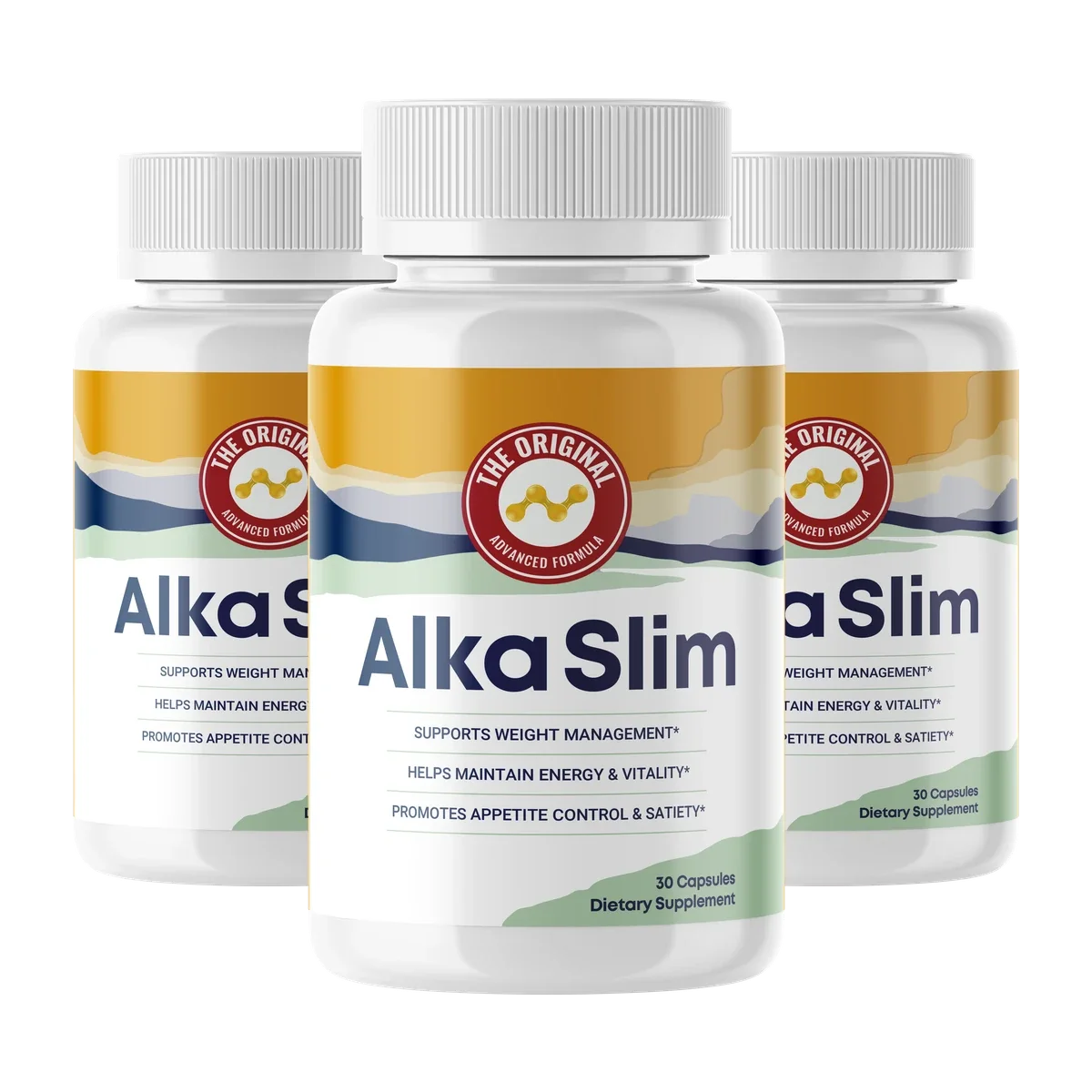
AlkaSlim is a once-daily capsule taken with water before a meal. See the ingredients, pricing and 60-day money-back guarantee on the official store.
Check AlkaSlim on the Official StoreSimple habits that suppress appetite for free
Some of the most effective appetite tools cost nothing and involve no ingredient at all:
- Drink water before meals. A glass 20 to 30 minutes before eating adds stomach volume and heads off thirst that masquerades as hunger.
- Lead with protein and vegetables. Eat the filling parts of the plate first; you will naturally have less room for the calorie-dense parts.
- Slow down. Fullness signals take time to reach the brain. Eating quickly means you overshoot before your body catches up.
- Protect your sleep. Short sleep raises the hunger hormone ghrelin and blunts the fullness hormone leptin, tilting the whole system toward eating more the next day.
- Watch liquid calories. Drinks bypass most satiety machinery, so the calories land without the fullness.
Layer a viscous fibre on top of these habits and you are reinforcing something that already works, rather than hoping a capsule will rescue a diet built on refined carbs and skipped sleep.
Three myths about appetite suppressants
Myth 1: "A good suppressant kills hunger completely." Anything that truly abolished appetite would be a drug with real risks, not a fibre. The realistic and healthier outcome is blunted, slower-returning hunger — enough to eat less without misery. Judge a natural appetite suppressant by whether it stretches the gap between meals, not by whether it erases hunger.
Myth 2: "If I'm not hungry, I'll lose weight automatically." Appetite control is a means, not the mechanism. Weight loss still comes from a sustained calorie deficit; a suppressant only makes that deficit easier to hold. You can be perfectly un-hungry and still overeat calorie-dense food, so the food quality has to be right too.
Myth 3: "More fibre is always better." Ramping fibre up too fast — especially viscous types — causes gas, bloating and discomfort, and viscous fibre taken without enough water can be a genuine choking or blockage hazard. Increase gradually, drink plenty of water, and follow the label. More is not better; appropriate is better.
How to choose a supplement without getting fooled
The market is crowded with products that borrow the language of appetite control without a mechanism behind it. A few questions cut through most of the noise. Does the label publish the actual fibre dose in milligrams or grams, so you can compare it to research? Does the mechanism make physical sense — a viscous fibre that gels, rather than a vague promise to "curb cravings"? And are the claims honest, or do they drift into implying the product treats a condition? If a product will not disclose how much of its active ingredient it contains, you cannot judge it, and "proprietary blend" is not an answer to that question — it is a way of avoiding it. Our overview of appetite suppressant supplements ranked by evidence and disclosure applies exactly this filter across the popular options. That test is what separates a viscous fibre from a folk remedy such as apple cider vinegar for weight loss, where the effect is real but far smaller than the marketing suggests.
Where AlkaSlim fits into this
AlkaSlim is a once-daily weight-management capsule taken with a full glass of water before a meal — the same instruction you would give for a viscous fibre, which is a reasonable sign of how it is intended to work. If the formula delivers a meaningful, disclosed amount of soluble fibre, it can sit comfortably in the "supportive add-on" role described throughout this article: a way to reinforce a satiety-first diet, not a substitute for one. The single most useful thing to confirm before buying is the Supplement Facts panel with real amounts, so you can see whether the fibre is present in a quantity that would actually gel and extend fullness. Set expectations to "helpful support alongside better meals," and a fibre-based capsule can be a sensible part of the plan — while the foods and habits above remain the part that does the most work.

Add fibre support to a satiety-first plan
See AlkaSlim's ingredients, pricing and 60-day money-back guarantee on the official store, then decide whether it fits your routine.
See AlkaSlim Pricing & GuaranteeFrequently asked questions
What foods naturally suppress appetite?
The most reliable appetite-curbing foods are high in fibre, protein or water, and often all three. Think vegetables, beans and lentils, whole fruit, oats, eggs, Greek yoghurt, fish and broth-based soups. These foods fill the stomach, slow digestion and steady blood sugar, so you feel satisfied on fewer calories rather than fighting hunger through willpower alone.
Which supplement is best for appetite control?
For appetite specifically, viscous soluble fibres have the clearest rationale, because they absorb water and form a gel that extends fullness. Glucomannan and baobab fibre are common examples. There is no single best product for everyone, so choose one that discloses its fibre dose, take it with plenty of water before meals, and treat it as support for a satiety-first diet rather than a replacement for it.
How can I stop feeling hungry all the time?
Constant hunger usually has fixable causes: too little protein and fibre, not enough sleep, dehydration mistaken for hunger, and meals built from fast-digesting refined carbohydrates. Anchor each meal with protein and fibre, drink water before eating, prioritise sleep, and slow down at the table so fullness signals have time to arrive. A viscous fibre supplement can add extra staying power on top of those basics.
Do appetite suppressants help you lose weight?
They help only to the extent that they make a sustainable calorie reduction easier to stick to. The goal is never to eliminate appetite; it is to feel satisfied on fewer calories. Natural appetite suppressants such as fibre-rich foods and viscous fibre supplements can support that, but weight loss still comes from the overall energy balance, not from the suppressant on its own.
Can fiber supplements help control hunger?
Yes. A viscous fiber such as glucomannan or baobab adds staying power to a meal pattern built on fiber, protein and water-rich foods.
References
- PubMed — Use of viscous fibres in beverages for appetite control: a review of studies (International journal of food sciences and nutrition, 2015)
- PubMed — A high-protein diet induces sustained reductions in appetite, ad libitum caloric intake, and body weight despite compensatory changes in diurnal plasma leptin and ghrelin concentrations (The American journal of clinical nutrition, 2005)
- NIH Office of Dietary Supplements — dietary supplements for weight loss
- FTC — health products compliance guidance