Baobab Fiber Benefits for Weightand Gut Health
What are the benefits of baobab fiber?
Baobab fiber benefits come from its mix of soluble pectin fiber and polyphenols. It can ease the post-meal blood-sugar rise by up to around 30%, feeds beneficial gut bacteria as a prebiotic, and supports regularity. Direct human weight-loss trials are still limited, so it works best as one part of a routine.
- Soluble pectin fibre and polyphenols that can cut the post-meal glucose rise by up to roughly 30%.
- Prebiotic action that feeds beneficial gut bacteria and supports short-chain fatty acid production.
- Adds bulk and holds water for better regularity — but direct weight-loss data in humans remains limited.
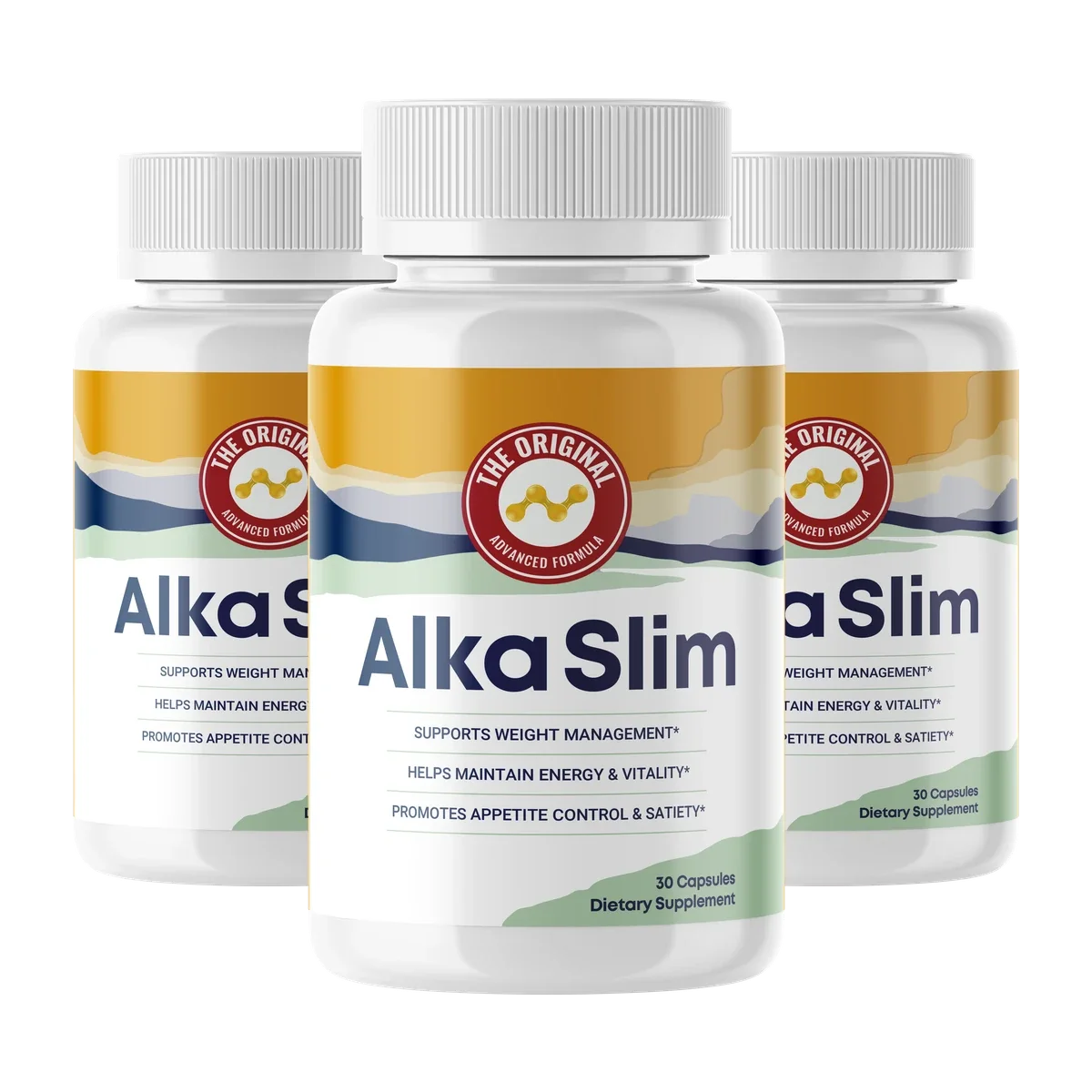
Ask most people about baobab and you will get a blank look, but the baobab fiber benefits behind the ingredient are some of the more interesting in the whole supplement aisle. Baobab is a "superfruit" with a genuine profile rather than a marketing one: its dried pulp is unusually rich in soluble fibre and polyphenols, and that combination does real, measurable things to how your body handles a meal — steadier blood sugar, better fed gut bacteria, and more comfortable regularity. This guide walks through each of those effects, and it is honest about the one place the evidence is thin: direct human weight-loss trials. (see NIH Office of Dietary Supplements, Dietary Supplements for Weight Loss)
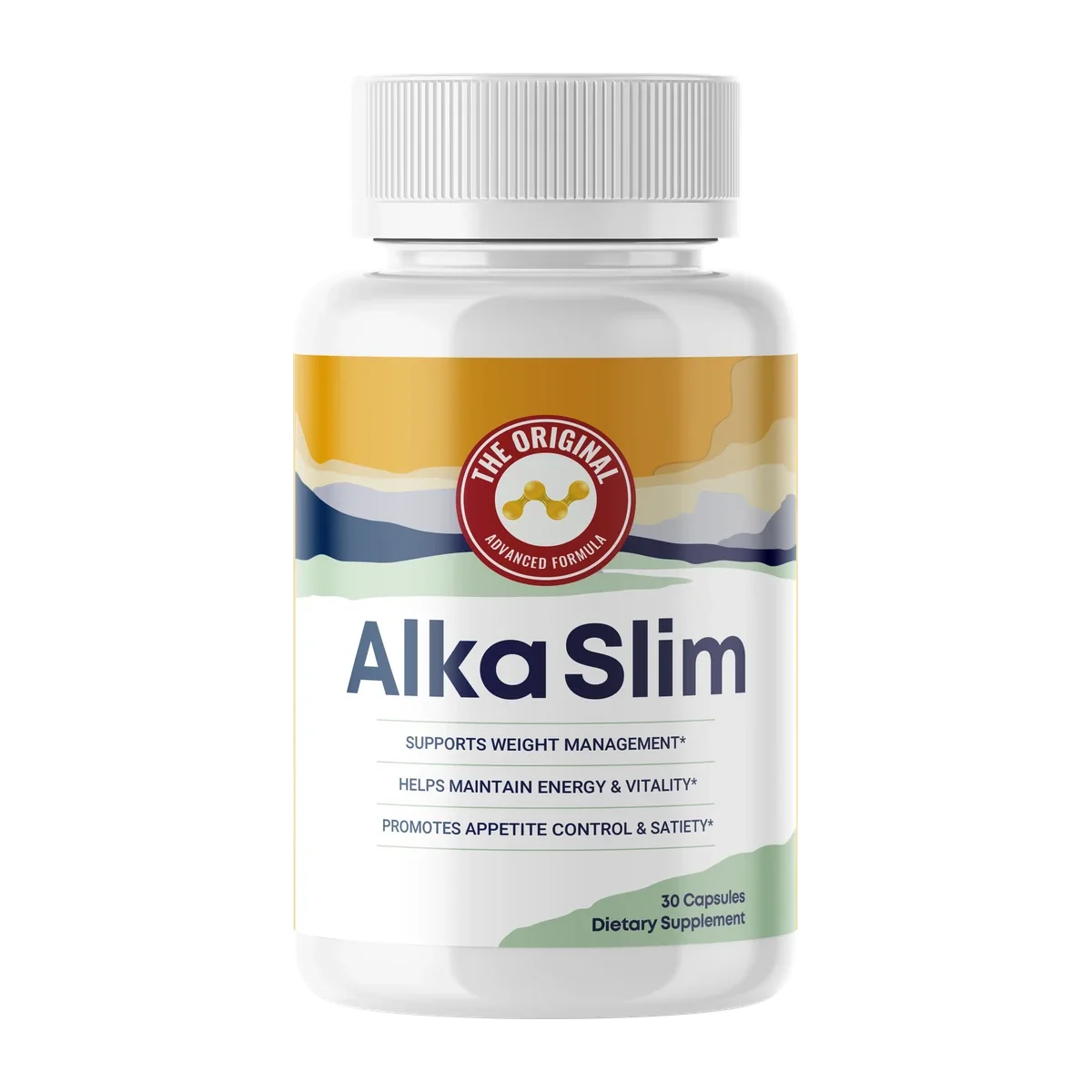
Baobab is also one of the ingredients AlkaSlim names, which is why it gets a full treatment here. Understanding what the fibre does — and where the data stops — lets you judge the role it plays in a formula rather than taking a sales page at its word.
What baobab fiber actually is
Baobab is the fruit of the African baobab tree (Adansonia digitata), sometimes called the "tree of life." Unusually, its fruit dries naturally on the branch into a chalky pulp, which is milled into the powder used in foods and supplements — no heat processing required. That pulp is where the value sits, and it carries two distinct active fractions:
- Soluble pectin fibre. A large share of baobab pulp is dietary fibre, much of it soluble pectin — the same family of fibre that makes jam set. Soluble fibre dissolves in water to form a viscous mixture that slows digestion and feeds the gut.
- Polyphenols. Baobab is also dense in polyphenols, the plant compounds behind its antioxidant profile. These are the fraction most linked to the blood-sugar effect described below.
It is the pairing that makes baobab distinctive. Plenty of ingredients bring fibre; fewer bring fibre and a meaningful polyphenol load in the same natural package, which is why baobab shows up in products aimed at metabolic and digestive support.
Baobab fiber benefits for weight and metabolism
Grouping the baobab fiber benefits by what they actually do makes the picture clear. There are three well-supported effects, and one important limit that gets its own section later:
- Blunting the post-meal glucose spike. This is the standout. By slowing carbohydrate digestion and absorption, baobab's soluble fibre and polyphenols can meaningfully flatten the rise in blood sugar after a carb-containing meal — with some studies reporting reductions of up to roughly 30% in the glycemic response.
- Feeding the gut microbiome. The soluble fibre is a prebiotic, fermented in the colon by beneficial bacteria into short-chain fatty acids that support the gut lining and overall metabolic health.
- Supporting regularity and fullness. Fibre adds bulk and holds water, which supports comfortable, regular digestion and contributes to a sense of fullness that can make portion control easier.
The through-line for weight is indirect but real: steadier post-meal blood sugar means fewer of the energy crashes that drive between-meal snacking, and a well-fed gut plus better fullness makes an eating plan easier to stick to. Those are supporting mechanisms, not a fat-burning claim — and the honest framing is that baobab helps the conditions for weight management rather than causing weight loss on its own. It pairs naturally with an appetite-focused fibre; our explainer on konjac glucomannan for weight loss covers the fullness side of that partnership in depth.
Baobab and blood sugar
The blood-sugar effect deserves a closer look because it is baobab's best-evidenced benefit. When you eat carbohydrate, it is broken down to glucose and absorbed, producing a rise in blood sugar — the "glycemic response." A sharp, high spike is followed by a corresponding dip, and that dip is a familiar driver of hunger and low energy an hour or two after eating.
Baobab softens that curve in two ways at once. The soluble fibre thickens the stomach contents and slows how fast glucose reaches the bloodstream, and the polyphenols appear to interfere with the enzymes and transporters that handle carbohydrate. The combined result in human testing has been a flatter post-meal response — reductions of up to around 30% have been reported when baobab is taken with a carbohydrate meal. Practically, a flatter curve means steadier energy and less of the rebound hunger that undermines a diet. (see The polyphenol-rich baobab fruit (Adansonia digitata L.) reduces starch digestion and glycemic response in humans, Nutrition research (New York, N.Y.) 2013)
One firm caveat, and it is a legal and safety one as much as an honest one: this is a modification of a meal's glucose curve, not a treatment for any blood-sugar condition. Baobab does not lower baseline blood sugar the way a medication does, and nothing here should be read as advice for managing diabetes. If you take glucose-lowering medication, talk to your clinician before adding anything that changes carbohydrate handling. The same "changes the meal, not the disease" logic applies to the sugar-blocking side of the formula, which we cover in our piece on how L-arabinose blocks the enzyme that digests table sugar.
Baobab for gut health
If the blood-sugar effect is baobab's best-evidenced benefit, its gut-health role is the most underrated. The soluble fibre that slows digestion in the stomach is not absorbed — it travels on to the colon, where resident bacteria ferment it. That makes baobab a prebiotic: it is food for the beneficial microbes already living in your gut, and feeding them well is linked to a healthier microbiome and steadier metabolic health. (see Co-Supplementation of Baobab Fiber and Arabic Gum Synergistically Modulates the In Vitro Human Gut Microbiome Revealing Complementary and Promising Prebiotic Properties, Nutrients 2024)
Two practical benefits follow. First, the fermentation produces short-chain fatty acids — particularly butyrate — which nourish the cells lining the colon and are associated with a range of metabolic benefits. Second, the same fibre adds bulk and holds water, which supports comfortable, regular bowel movements. Together those make baobab a genuine two-for-one: a metabolic modifier at the meal and a prebiotic in the colon.
The usual fibre caveat applies. Because the benefit comes from fermentation, introducing baobab too fast can produce gas and bloating while your gut bacteria adjust. Start with a smaller amount, build up over a week or two, and drink plenty of water — the same sensible on-ramp that applies to any soluble fibre. For a broader food-first approach to appetite and satiety alongside supplements, our guide to natural appetite suppressant foods and supplements is a useful companion.

Interested in the baobab-and-fibre formula?
AlkaSlim pairs baobab fibre with its other named ingredients and is backed by a 60-day money-back guarantee at the official store.
See AlkaSlim on the Official StoreThe honest limits: what the human weight data does not show
Here is where a lot of supplement copy quietly overreaches, and where this guide will not. Baobab's mechanisms — steadier post-meal glucose, prebiotic fibre, better regularity — are well-supported and point in a helpful direction for anyone managing their weight. But that is not the same as a direct, well-powered human trial showing that baobab, on its own, causes weight loss. Those trials remain limited, and more work is ongoing in 2026.
What does that mean for a buyer? It means baobab is best understood as a supporting ingredient in a weight-management formula rather than the reason a formula works. The mechanisms are real and the metabolic and gut benefits are worth having; the leap from "improves the conditions for weight management" to "makes you lose weight" is one the current human evidence does not fully support. An ingredient can be genuinely good for you and still not be a proven weight-loss agent — both things are true of baobab, and saying so is what honest analysis looks like. A dietary supplement is support alongside diet and activity, and individual results vary.
Common myths and objections
"Baobab is a fat-burner." No. Nothing about baobab burns fat or raises metabolism. Its benefits are digestive and metabolic — slowing glucose, feeding gut bacteria, aiding regularity — not thermogenic.
"It works instantly." The blood-sugar effect happens at the meal you take it with, but the gut-health benefits build over weeks as your microbiome adjusts to a steadier fibre supply. Judge the digestive benefits over a month, not a day.
"An alkaline superfruit resets your body's pH." This is a common claim across the "alkaline" wellness space and it overstates what any food can do — your body tightly regulates blood pH regardless of diet. Baobab's value is its fibre and polyphenols, not a pH reset. We unpack that bigger idea in our article on alkaline pH balance and weight loss.
Where baobab fits in AlkaSlim
Within AlkaSlim, baobab plays the role of the metabolic-and-gut fibre — the ingredient most responsible for the "steadier meal, healthier gut" side of the story, complementing the appetite and sugar-handling roles of the other components. On mechanism, it is a reasonable inclusion: soluble pectin plus polyphenols is a legitimately useful combination, and it is one of the more evidence-backed ingredients in the panel for what it actually does.
The same honesty that applies to the whole formula applies here. AlkaSlim publishes no amount for baobab, so the label cannot tell you whether a serving reaches the levels used in the blood-sugar research, and baobab's direct weight-loss evidence in humans is limited regardless of dose. Treat it as a well-chosen supporting fibre with real gut and blood-sugar credentials — a good reason to be interested in the formula, not a guarantee of a number on the scale.
Put baobab's fibre to work
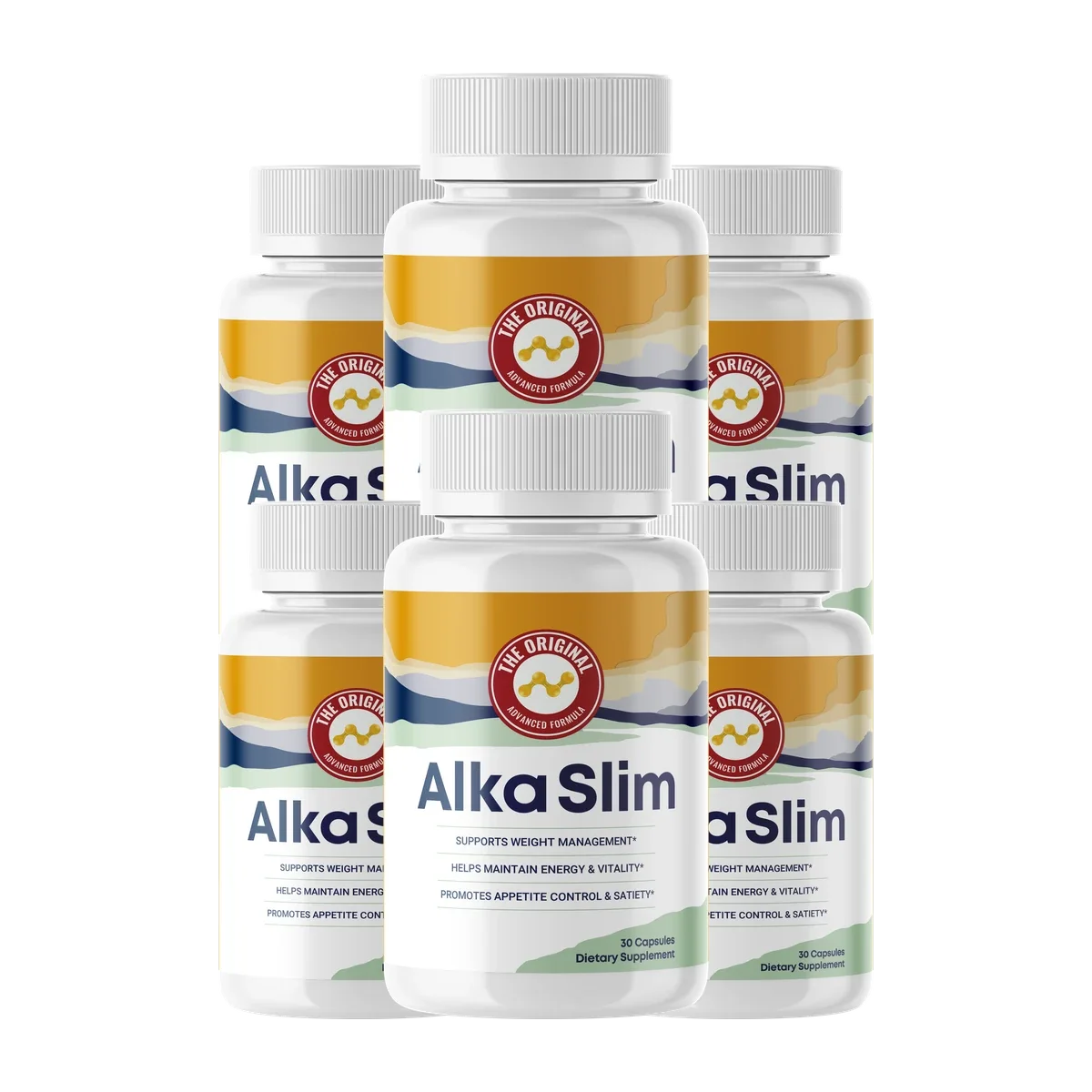
If a fibre-and-polyphenol approach to steadier meals and better gut health fits your plan, AlkaSlim is available now with free shipping on the larger tiers and a 60-day guarantee.
Order NowFrequently asked questions
What are the benefits of baobab fiber?
Baobab pulp is rich in soluble pectin fibre and polyphenols. Its main documented benefits are blunting the rise in blood sugar after a meal, acting as a prebiotic that feeds beneficial gut bacteria, and supporting regularity. These are metabolic and digestive benefits; a direct effect on body weight in humans is not yet well established.
Does baobab help with weight loss?
Baobab supports several things that make weight management easier, such as steadier post-meal blood sugar and better fullness from its fibre. But direct human trials measuring baobab and weight loss remain limited, with more studies ongoing in 2026, so it is best viewed as a supporting fibre rather than a proven standalone weight-loss ingredient.
Is baobab good for gut health?
Yes. The soluble fibre in baobab is fermented by bacteria in the colon, acting as a prebiotic that feeds beneficial species and supports the production of short-chain fatty acids. That same fibre adds bulk and holds water, which helps regularity. Introduce it gradually with plenty of water to limit gas and bloating.
Does baobab lower blood sugar?
Baobab does not lower baseline blood sugar like a medication, but its soluble fibre and polyphenols can slow carbohydrate digestion and reduce the post-meal glucose spike, with some studies showing reductions of up to roughly 30% in the glycemic response. It is a modifier of the meal's curve, not a treatment for any blood-sugar condition.
Is baobab fiber a prebiotic?
Yes. Baobab fiber acts as a prebiotic, meaning it feeds beneficial gut bacteria, and it also supports regularity.
References
- PubMed — The polyphenol-rich baobab fruit (Adansonia digitata L.) reduces starch digestion and glycemic response in humans (Nutrition research (New York, N.Y.), 2013)
- PubMed — Co-Supplementation of Baobab Fiber and Arabic Gum Synergistically Modulates the In Vitro Human Gut Microbiome Revealing Complementary and Promising Prebiotic Properties (Nutrients, 2024)
- NIH Office of Dietary Supplements — dietary supplements for weight loss
- FTC — health products compliance guidance