Protein Powder for Weight Loss Explained
Does protein powder aid weight loss?
Yes, indirectly. Protein powder aids weight loss by raising fullness, gently increasing calorie burn through digestion, and protecting lean muscle while you eat less. It is not a fat-burner; it is a tool that makes a calorie deficit easier to hold. Whole-food protein stays the base, with powder filling the gaps.
- 25-30g of protein per serving lifts satiety and the thermic effect of food.
- Adequate protein preserves lean mass in a deficit, so more of the loss is fat.
- Pair protein with viscous fiber for real fullness; whole foods remain the foundation.
Search "protein powder for weight loss" and you will find two extremes shouting over each other: one camp treating a scoop of whey like a fat-loss switch, the other insisting powder is useless and everyone should just eat chicken. Both are wrong in the same way. Protein powder for weight loss is neither magic nor pointless; it is a convenient way to hit a protein target that quietly does three useful things while you eat less. This article explains exactly what those three things are, how much protein you actually need, when to take it, and the one partner nutrient most people forget to pair it with.
What protein powder for weight loss actually does
Let us be precise, because the word "works" hides a lot. Protein powder does not incinerate fat and it does not raise your metabolism to any dramatic degree. What a serving of 25 to 30 grams of protein does is far less flashy and far more useful: it changes how full you feel, how many calories you burn digesting your food, and how much muscle you keep while the scale moves down. Those three levers are the entire story, and every honest claim about protein and weight loss traces back to one of them.
The first lever is satiety. Protein is the most filling of the three macronutrients gram for gram, and it stays with you. A protein-forward breakfast or a shake before a meal blunts the hunger that drives snacking and second helpings, so you eat less over the day without white-knuckling through it. The second lever is the thermic effect of food: your body spends more energy digesting and processing protein than it does carbohydrate or fat, so a slice of your daily calories is burned off simply handling the protein. It is a modest effect, a few percent of intake, but it runs in the right direction every single day. The third lever, and the one people underrate most, is muscle preservation.
Why lean mass is the point in a deficit
When you eat in a calorie deficit, your body does not politely take the weight only from fat. Left unchecked, a meaningful share of what you lose can be muscle, and losing muscle is exactly what you do not want. Muscle is metabolically active tissue; it is what gives a body its shape and strength, and it is what keeps your maintenance calories from collapsing as you get lighter. Adequate protein is the single most reliable dietary tool for tilting that ratio toward fat and away from muscle, and it is why protein needs actually rise, not fall, while you diet.
This is the reframe that changes how you should think about a scoop of powder. You are not drinking it to burn fat directly. You are drinking it to protect the tissue that keeps your metabolism where you want it, so that the weight you lose is the weight you meant to lose. Pair that with some resistance training and the effect compounds: you finish a diet lighter, stronger, and with a metabolism that has not caved in on itself.
How much protein daily for fat loss
Here is the number people want. For fat loss, most people do well on roughly 1.6 to 2.2 grams of protein per kilogram of body weight, which lands around 0.7 to 1 gram per pound. If you weigh 70 kilograms, that is about 112 to 154 grams a day. The higher end of that range is worth aiming for when you are in a deficit and training, precisely because that is when muscle is most at risk. You do not need to be surgical about it; consistently getting into that band matters far more than hitting a decimal.
The mistake is treating powder as the source rather than the top-up. Build your target from whole food first, then let powder cover whatever gap is left at the end of the day. If you land at 90 grams from meals and want 130, that is a single 30 to 40 gram shake to close the distance, not four scoops to replace eating. Powder is a tool for the gap, and used that way it is genuinely one of the most cost-effective purchases in the whole weight-loss aisle. For a broader look at what actually earns its place on the shelf, our guide to a weight loss supplement that works ranks the category by human evidence rather than marketing.
When should I take protein for weight loss
Timing is the part most people overthink. The daily total is the lever that matters, and there is no magic window that undoes a poorly built day. That said, once your total is handled, a little strategy helps. Front-loading protein at breakfast tends to steady appetite through the morning and cut the mid-afternoon raid on the snack drawer. A serving before your largest, most tempting meal takes the edge off so you serve yourself a sane portion. And protein around resistance training gives your muscles the raw material to repair, which is where the lean-mass benefit is earned.
Use powder where whole-food protein is inconvenient rather than as a default. A shake makes sense on a rushed morning, after a workout when you are not hungry for a full meal, or as the thing you reach for instead of a vending machine. If you are considering swapping a whole meal for a shake as a strategy in itself, that is a different tool with its own rules, and we cover it in detail in our breakdown of meal replacement shakes for weight loss.
Give your protein a fullness partner
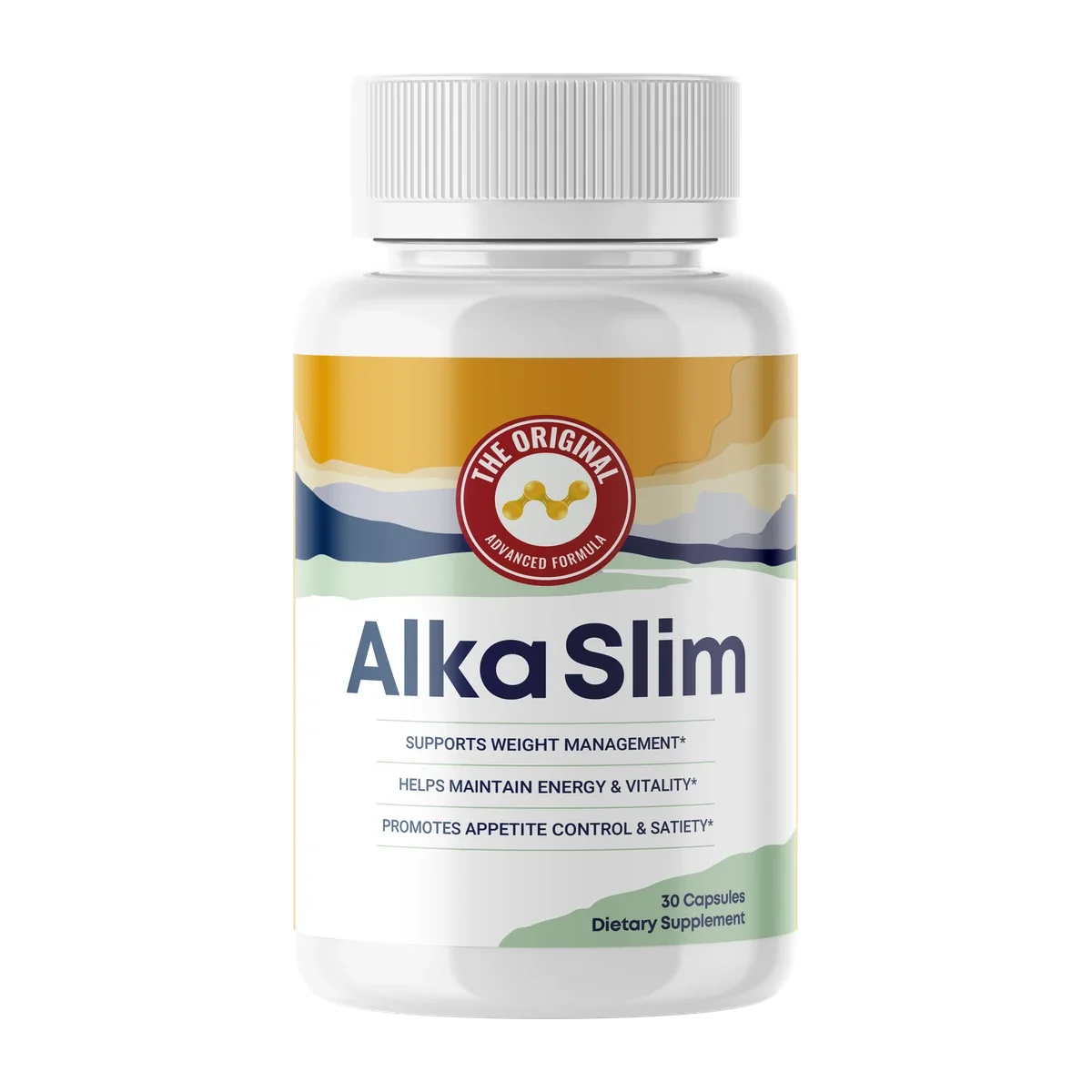
Protein raises satiety, but a thin shake empties fast. AlkaSlim adds glucomannan fiber that gels in the stomach to slow emptying, so the fullness lasts. Check current pricing and the 60-day guarantee on the official store.
See AlkaSlim On The Official StoreThe missing partner: pair protein with fiber
Here is the practical insight that most protein content skips entirely. Protein is filling, but a liquid protein shake empties from the stomach relatively quickly, and the satiety it delivers can fade sooner than you would like. Fiber is the partner that fixes this. Viscous soluble fiber absorbs water and forms a gel that slows gastric emptying, which stretches the fullness signal out over hours rather than minutes. Protein plus viscous fiber is a genuinely stronger satiety combination than either alone, and it is the pairing worth building your day around.
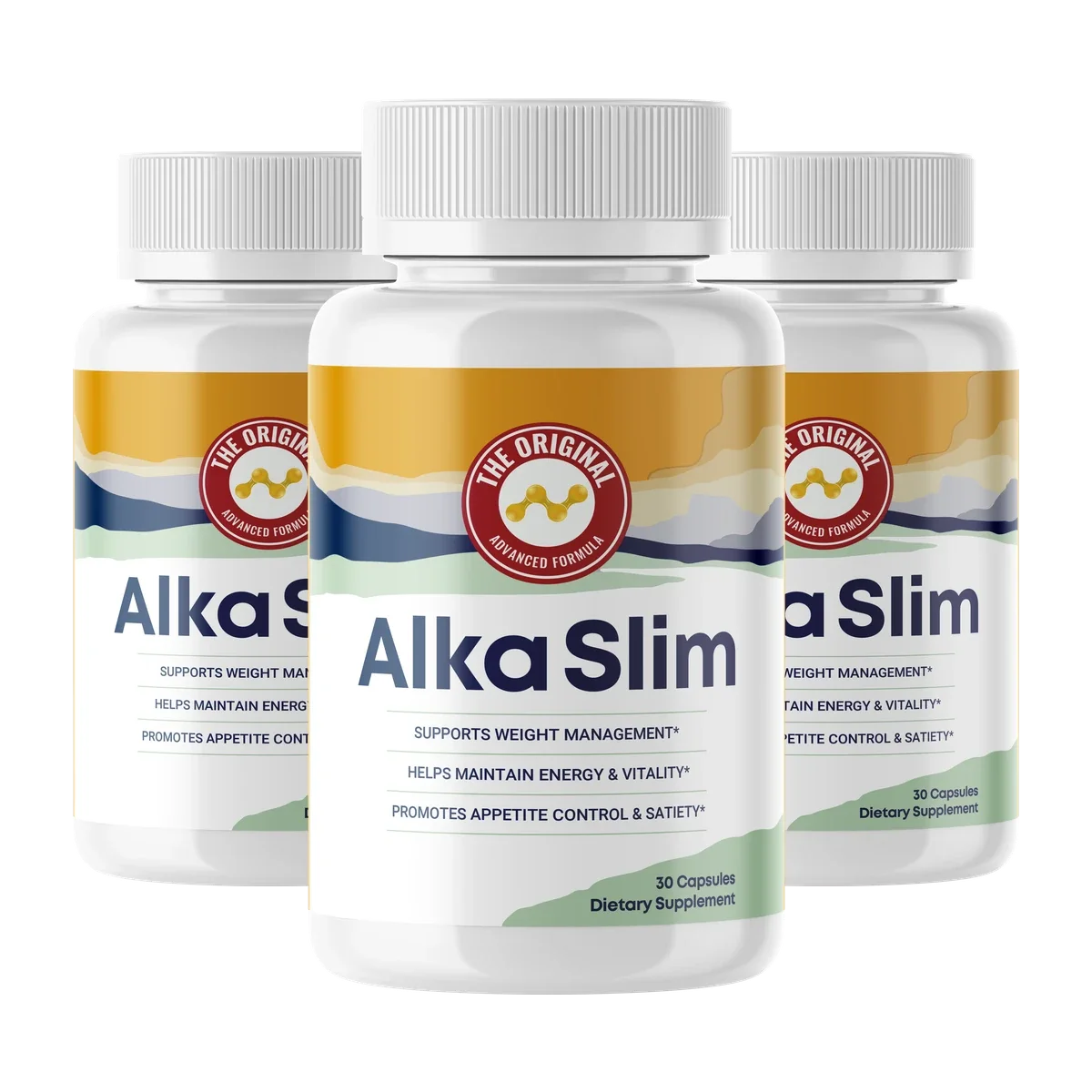
This is exactly where a fiber-forward supplement fits alongside your protein routine. AlkaSlim is built around glucomannan, the soluble fiber from konjac root that has the strongest over-the-counter human evidence for supporting fullness. Taken with a full glass of water before a meal, it adds the viscosity a thin protein shake lacks. If you want the mechanism in detail, our deep dive on konjac glucomannan for weight loss walks through how the gel forms and why the dose and the water both matter. And if you would rather reach for the plate than the pill, our roundup of natural appetite suppressant foods and supplements shows how to get the same fullness from meals.
Objection: "Isn't protein powder just for bodybuilders?"
This is the oldest myth in the aisle, and it is a costume, not a fact. Protein powder is a concentrated food, nothing more; it is dried protein from milk, egg, soy, or peas in a tub. A person trying to lose fat has arguably more use for it than a bodybuilder, because the whole point of dieting well is holding onto muscle while eating less, and that is a protein problem. The gym imagery on the packaging is marketing aimed at one audience; the contents are useful to anyone struggling to hit a protein target on a busy schedule. Judge it as food, not as gym equipment.
Objection: "Won't extra protein make me gain weight?"
Protein has calories, so in the abstract yes, any food eaten in surplus adds weight. But in practice protein is the macronutrient least likely to be overeaten, precisely because it is so filling, and it is the one your body spends the most energy processing. The realistic risk is not that protein sneaks in surplus calories; it is that you add shakes on top of an already complete diet without adjusting anything else. Used as a swap or a gap-filler rather than an addition, protein powder reduces the odds of overeating rather than raising them. Fit it into your calorie budget and it earns its keep.
Objection: "Do I need an expensive powder?"
No. The premium here is almost entirely branding. What you are buying is grams of protein per serving with a clean, disclosed label, and a plain whey or plant blend delivers that as well as anything with a hologram and a superhero name. The same label lesson that applies to every supplement applies here: look for a disclosed amount of actual protein per scoop, be wary of "proprietary blends" that pad the number with cheap fillers, and ignore the exotic add-ins that carry a markup but no evidence. A transparent, boring tub is usually the smart buy.
Where AlkaSlim fits: the low-calorie daily add-on
Protein powder solves the protein side of appetite. It does not add the viscous fiber that makes fullness last, and it is not something you would take purely for its own sake once your protein target is met. That is the specific gap AlkaSlim is designed for. It is a once-daily, low-calorie capsule taken with water before a meal, built around a disclosed dose of glucomannan fiber rather than a long list of trace ingredients. In a satiety-first plan, protein handles the muscle and the meal, and the fiber add-on handles the between-meal stretch when hunger usually wins.
The honest framing is the one that sells best anyway: neither protein nor fiber is a shortcut, and both are levers on top of the fundamentals of diet and activity. What they do is make a deficit easier to sustain, which is where nearly every diet actually fails. If your protein is dialed in and the gap you feel is the slow creep of hunger between meals, a disclosed-dose fiber capsule with a money-back guarantee is a low-risk way to test whether that lever helps you.
What a realistic week looks like
Set expectations to the mechanism and you will judge this correctly. In the first week of getting protein right, the change you should notice is not on the scale but in your appetite: smaller portions feeling like enough, fewer raids on the snack drawer, less of the ravenous evening hunger that derails good days. That behavioral shift is the satiety and fullness machinery doing its job, and it is the early signal worth watching, because the scale is a lagging, noisy indicator nudged by water and salt as much as by fat.
Give the whole approach a fair run of six to eight weeks inside a genuine calorie deficit before you rule on it, and judge the trend rather than any single morning's number. If appetite dropped, if you are keeping strength in the gym, and if the weeks-long line is heading down, protein and its fiber partner are earning their place. If nothing about your hunger changed after a month at a sensible protein intake, that is useful information too, and a supplement with a guarantee makes acting on it painless.
Related reading

Make the fullness last longer
If your protein is dialed in and hunger still creeps back between meals, AlkaSlim's glucomannan fiber is the low-calorie daily add-on that stretches fullness out, backed by a 60-day money-back guarantee on the official store.
Order AlkaSlim From The Official StoreFrequently asked questions
Does protein powder aid weight loss?
Yes, indirectly. Protein powder aids weight loss by raising fullness, gently increasing calorie burn through digestion, and protecting lean muscle while you eat less. It is not a fat-burner; it is a tool that makes a calorie deficit easier to hold. Whole-food protein stays the base, with powder filling the gaps.
How much protein daily for fat loss?
For fat loss, most people do well on about 1.6 to 2.2 grams of protein per kilogram of body weight, or roughly 0.7 to 1 gram per pound. Higher intakes help preserve muscle in a deficit. Spread it across meals, and use powder only to fill the gap food leaves.
When should I take protein for weight loss?
Timing matters less than your daily total, so hit your target first. That said, a protein serving at breakfast or before a meal blunts appetite when hunger is highest, and protein around resistance training supports muscle repair. Use powder when whole-food protein is inconvenient, not as a routine meal replacement.
Can protein powder be combined with AlkaSlim?
Yes. Protein powder and AlkaSlim work on complementary levers: protein raises fullness and protects muscle, while AlkaSlim's glucomannan fiber gels in the stomach to slow emptying. Taken with water before a meal, the fiber adds the viscosity a thin protein shake lacks. Check with your clinician if you take medication.