Weight Loss Supplement That Works: The Evidence
Which weight loss supplement actually works?
A weight loss supplement that works best is usually a viscous soluble fiber, and glucomannan in particular. A 2024 randomized trial in 112 people over 180 days is among the better-quality support in the category. Berberine has moderate evidence too, and any supplement works best alongside diet change.
- Glucomannan fiber has the strongest over-the-counter evidence; the honest effect is modest and diet-dependent.
- Berberine is second, averaging around two kilograms across trials, but is not for everyone.
- A disclosed dose matters more than a long ingredient list; hidden amounts cannot be checked against any study.
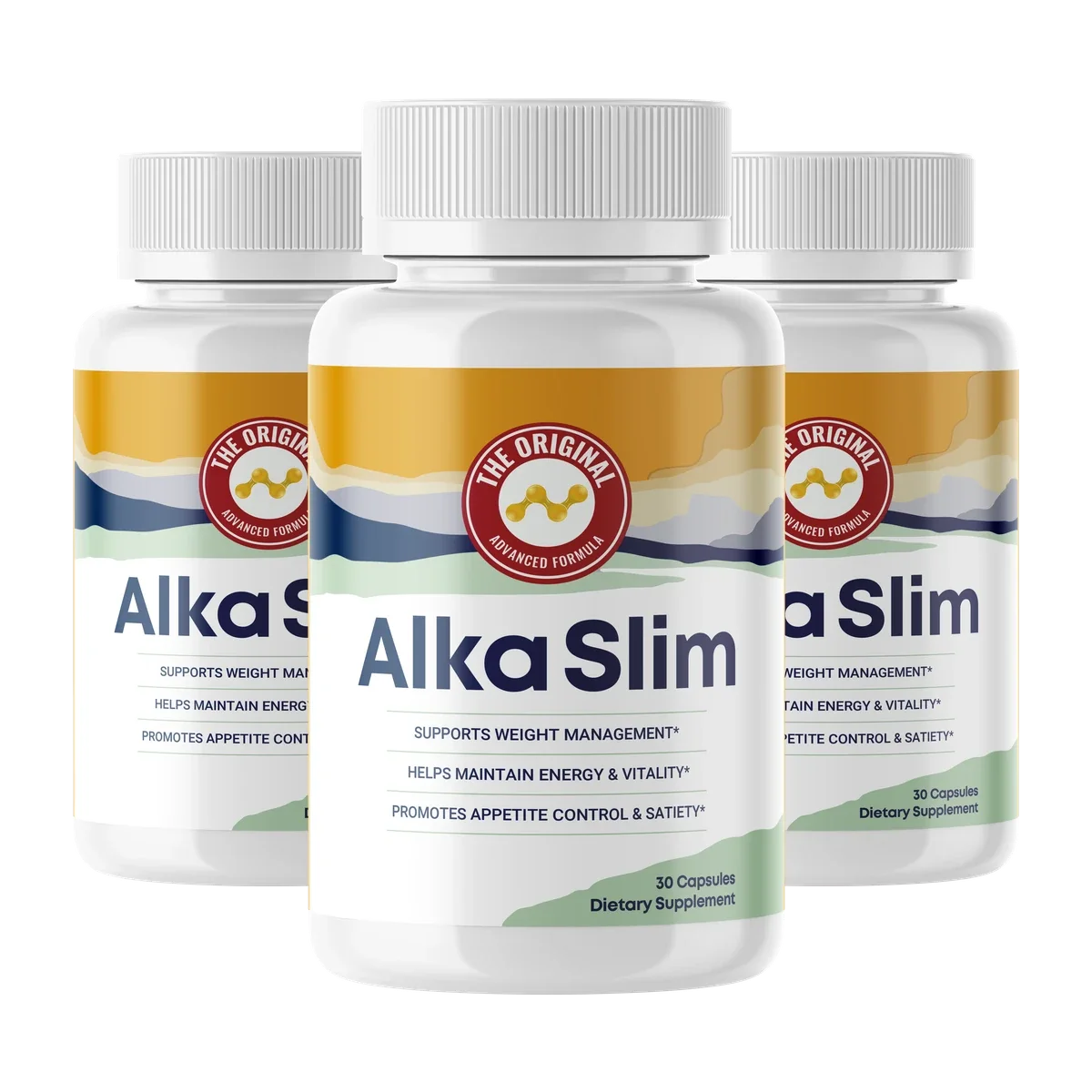
The phrase "weight loss supplement that works" hides a trap, because "works" is doing a lot of undefined labor. Works how much? Works for whom? Works instead of a diet, or only alongside one? Before ranking anything, this article defines what "works" honestly means, then sorts the popular ingredients by the quality of their human data. The short version is that a few ingredients have real, if modest, evidence, most have very little, and the single most useful thing on any label is a number the marketing usually leaves off: the dose.
First, define what "works" means
A weight loss supplement "works" if, in controlled human trials, people taking it lost meaningfully more than people taking a placebo, at a dose you can actually buy, with a safety profile you can live with. Every clause in that sentence filters out noise. "Controlled human trials" rules out test-tube studies and animal data that never translate. "More than placebo" rules out results that were really just the diet everyone in the study was following. "At a buyable dose" rules out ingredients that only work at amounts no capsule contains. Hold products to that definition and the crowded shelf thins out fast.
It also resets expectations in a healthy way. The honest ceiling for even the best-supported weight loss supplement is a few pounds beyond what diet and activity produce on their own. Anything promising more is selling a story. A supplement is a nudge on top of the fundamentals, and the ingredients below are ranked by how solid that nudge really is.
1. Glucomannan — the strongest OTC fiber evidence
Glucomannan, the soluble fiber from konjac root, sits at the top for a simple reason: it has the best human evidence of the over-the-counter options, and the mechanism is easy to verify. It absorbs water and forms a gel in the stomach, slowing gastric emptying and increasing fullness so you tend to eat less. A 2024 randomized controlled trial following 112 people over 180 days is among the stronger studies in the whole category, and it points the same way the earlier work does: a real but modest edge over placebo. (see The efficacy of glucomannan supplementation in overweight and obesity: a systematic review and meta-analysis of randomized clinical trials, Journal of the American College of Nutrition 2014)
"Modest" is the operative word and we will not dress it up. Across trials, glucomannan tends to add a few pounds beyond a placebo when paired with a sensible diet. That is a nudge, not a transformation, and it only shows up when the fullness effect actually translates into fewer calories eaten. If you want the full mechanistic walkthrough, our deep dive on konjac glucomannan for weight loss covers the gelling action and the dosing detail. The reason it still ranks first is not that its effect is large, but that its evidence is the least shaky and its safety the best understood.
2. Berberine — moderate evidence, not for everyone
Berberine is the most interesting runner-up. It is a plant compound that works on metabolic pathways rather than on stomach fullness, and trials have averaged roughly two kilograms of loss, with additional effects on blood sugar and lipids in some studies. That is real evidence and it earns second place. But it comes with caveats fiber does not: it can cause digestive upset, it interacts with a number of medications, and it is a genuinely different tool with a different risk profile. We compare the two head to head in our piece on berberine versus fiber for weight loss, because the right pick depends on your goals and your medication list, not on which sounds more exotic.
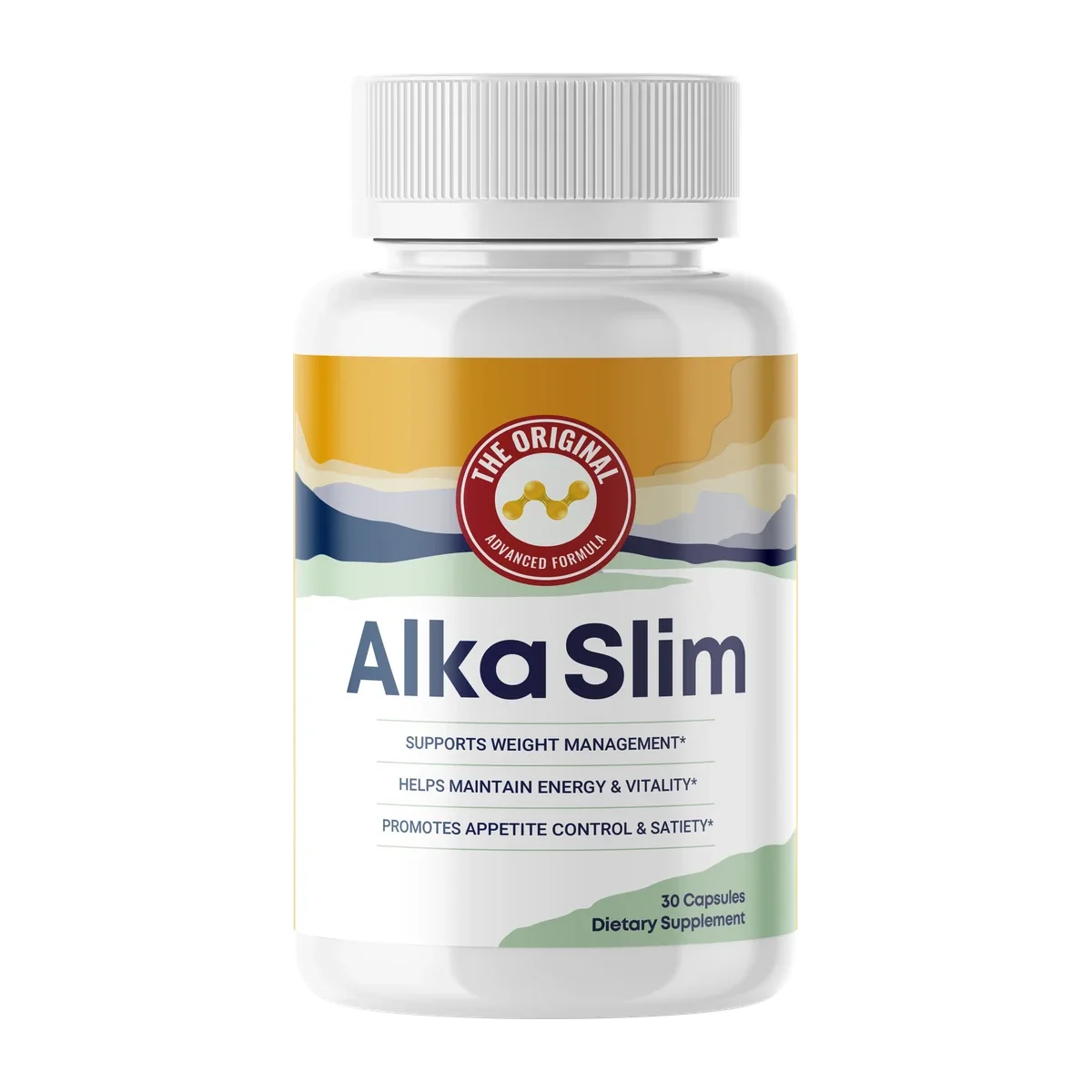
Want the top-ranked ingredient in a capsule?
AlkaSlim is built around glucomannan, the fiber with the strongest over-the-counter evidence. Check current pricing and the 60-day guarantee on the official store.
See AlkaSlim On The Official Store3. The weakly supported majority
Most of what gets sold as a weight loss supplement lives here. Green tea extract, various "fat-burner" botanicals, apple cider vinegar capsules, raspberry ketones and a long list of proprietary blends share a common problem: the human evidence is thin, inconsistent, or comes from studies too small and too short to trust. Some show a flicker of effect in one trial that a bigger trial then fails to reproduce. None clears the bar we set at the top. This does not mean every one of them is useless in every person; it means you should not pay a premium for evidence that is not there, and you should be especially wary when the ingredient is exotic but the dose is hidden.
The label lesson: dose beats ingredient count
Here is the single most useful habit you can build, and it outranks any brand loyalty. When you pick up a weight loss supplement, do not count the ingredients; look for the doses. Every ingredient with real evidence has that evidence tied to a specific amount, so a label that publishes milligrams lets you check the product against the research. A label that hides amounts behind a "proprietary blend," or names ingredients with no numbers at all, has severed the product from its own evidence, and no amount of impressive-sounding ingredients fixes that.
This is exactly the trap a long ingredient list sets. Twenty ingredients at undisclosed, likely trace amounts is worse, not better, than two ingredients at studied doses, because it lets a product borrow the reputation of famous compounds while delivering pinches of them. Transparency is the tell. A short, honest label you can verify beats a long, glamorous one you cannot, every time. For a full head-to-head of the products that pass and fail this test, see our 2026 ranking of the best weight loss pills.
Objection: "If the effect is only a few pounds, why bother?"
Fair question, and the honest answer is that it depends on the person. A few pounds is not nothing when it comes from making a calorie deficit easier to sustain, and sustainability is where most diets fail. If a fiber that increases fullness helps you skip the mid-afternoon snack you would otherwise eat, the arithmetic compounds over months. The mistake is expecting the supplement to do the job by itself. As a lever on top of diet change it can be worth it; as a substitute for diet change it is a waste of money. Match your expectation to the evidence and the "few pounds" stops sounding disappointing.
Objection: "The bottle with more ingredients must be stronger"
This is the intuition the label lesson is built to correct. More ingredients almost always means less of each, spread thinner, at doses too small to match any study. A "complete" or "advanced" blend of a dozen actives is usually a marketing device, not a pharmacological upgrade. The stronger product is the one that puts a studied dose of one or two things that actually work behind a transparent label. Judge by disclosed milligrams, not by the length of the ingredient list, and the intuition reverses.
Objection: "Can't I just eat more fiber and skip the pill?"
Frequently, yes, and we would not pretend otherwise. A diet genuinely rich in soluble fiber, protein and water reproduces most of what the top-ranked supplement does. The narrow case for a capsule is convenience and consistency: hitting a reliable fiber dose before meals that you struggle to reach from food. If that consistency is what you are missing, a fiber supplement earns its place as a top-up. If it is not, save the money and eat the beans. The supplement is a tool for a specific gap, not a moral upgrade over food.
What a realistic month actually looks like
Set the timeline correctly and you will not talk yourself out of a working product too early, or cling to a useless one too long. With a fiber-led supplement, the first thing to change is appetite, not the scale: within the first week or two, if it is doing anything, you should notice smaller portions and less snacking in whatever your danger zone is. That behavioral signal is what you judge early, because it is the mechanism working. The scale is a lagging, noisy indicator that moves slowly and unevenly, nudged by water, salt and hormones as much as by fat, so weighing daily and reading meaning into every wobble is a recipe for quitting something that is quietly working.
Give it a fair run of six to eight weeks alongside a genuine calorie deficit before deciding, and judge the whole picture rather than a single morning's number. If appetite dropped and the trend over weeks is down, it is earning its place. If nothing changed in how much you want to eat after a month at a sensible dose, that is your answer too, and a product with a money-back guarantee makes acting on that answer painless.
Putting it together
A weight loss supplement that works, honestly defined, is one whose active ingredient has real human evidence at a dose you can verify on the label, used as support alongside diet and activity rather than in place of them. On that standard, viscous soluble fiber leads, glucomannan first; berberine follows with real but caveated evidence; and the crowded rest of the shelf is mostly hope. Pick on mechanism and disclosed dose, keep your expectations modest, and let the fundamentals do the heavy lifting while the supplement makes them a little easier to hold. (see The effect of berberine supplementation on obesity indices: A dose- response meta-analysis and systematic review of randomized controlled trials, Complementary therapies in clinical practice 2020)
Related reading

Start with the evidence leader
If glucomannan is the mechanism you want, AlkaSlim delivers it in a once-daily capsule backed by a 60-day money-back guarantee on the official store.
Order AlkaSlim From The Official StoreFrequently asked questions
Which weight loss supplement actually works?
Judged on human evidence, the strongest over-the-counter option is a viscous soluble fiber, and glucomannan specifically. A 2024 randomized trial in 112 people over 180 days is among the better-quality support in the category. Berberine has moderate evidence too. Most other ingredients are weakly supported, and no supplement outperforms diet change.
How much weight can a supplement help you lose?
The realistic figure is modest and diet-dependent. Glucomannan typically adds a few pounds over a placebo, and berberine trials average around two kilograms. These are helpful nudges on top of a calorie deficit, not stand-alone results. A supplement makes eating less a little easier; it does not replace the eating less.
Do fiber supplements help weight loss?
Yes, modestly and reliably. Viscous soluble fibers like glucomannan gel in the stomach, slow gastric emptying and increase fullness, so you tend to eat less between and during meals. The effect is small but it has better human evidence than most flashier ingredients, and the safety profile is strong when taken with enough water.
What should I look for on a supplement label?
A disclosed dose for every active ingredient, ideally in a full Supplement Facts panel, and doses that match the studies the ingredient is known for. Transparency matters more than the number of ingredients: a short list with published milligrams beats a long 'proprietary blend' that hides its amounts and cannot be compared to any research.
What is the best weight loss supplement for beginners?
Start with one that shows a clear dose on the label, such as a glucomannan fiber product, and pair it with reduced-calorie eating. Fiber has the strongest over-the-counter support in the post above.
References
- NIH Office of Dietary Supplements — dietary supplements for weight loss
- PubMed — The efficacy of glucomannan supplementation in overweight and obesity: a systematic review and meta-analysis of randomized clinical trials (J Am Coll Nutr, 2014)
- PubMed — The effect of berberine supplementation on obesity indices: A dose- response meta-analysis and systematic review of randomized controlled trials (Complementary therapies in clinical practice, 2020)
- FTC — health products compliance guidance