Best Weight Loss Pills 2026, Ranked by Evidence
What are the best weight loss pills in 2026?
The best weight loss pills in 2026 are transparent viscous-fiber formulas that publish their gram amounts, because their appetite mechanism is well studied and easy to check on the label. Prescription GLP-1 medicines outperform any pill but need a doctor. A pill works best as a nudge on top of a calorie deficit.
- Fiber-based satiety aids top the over-the-counter list; a pill is a nudge on top of a calorie deficit, not a replacement for it.
- Prescription GLP-1s produce larger average loss than any supplement, but require a script and monitoring.
- Realistic expectation: a well-dosed supplement contributes roughly 1 to 5 pounds beyond diet alone over weeks.
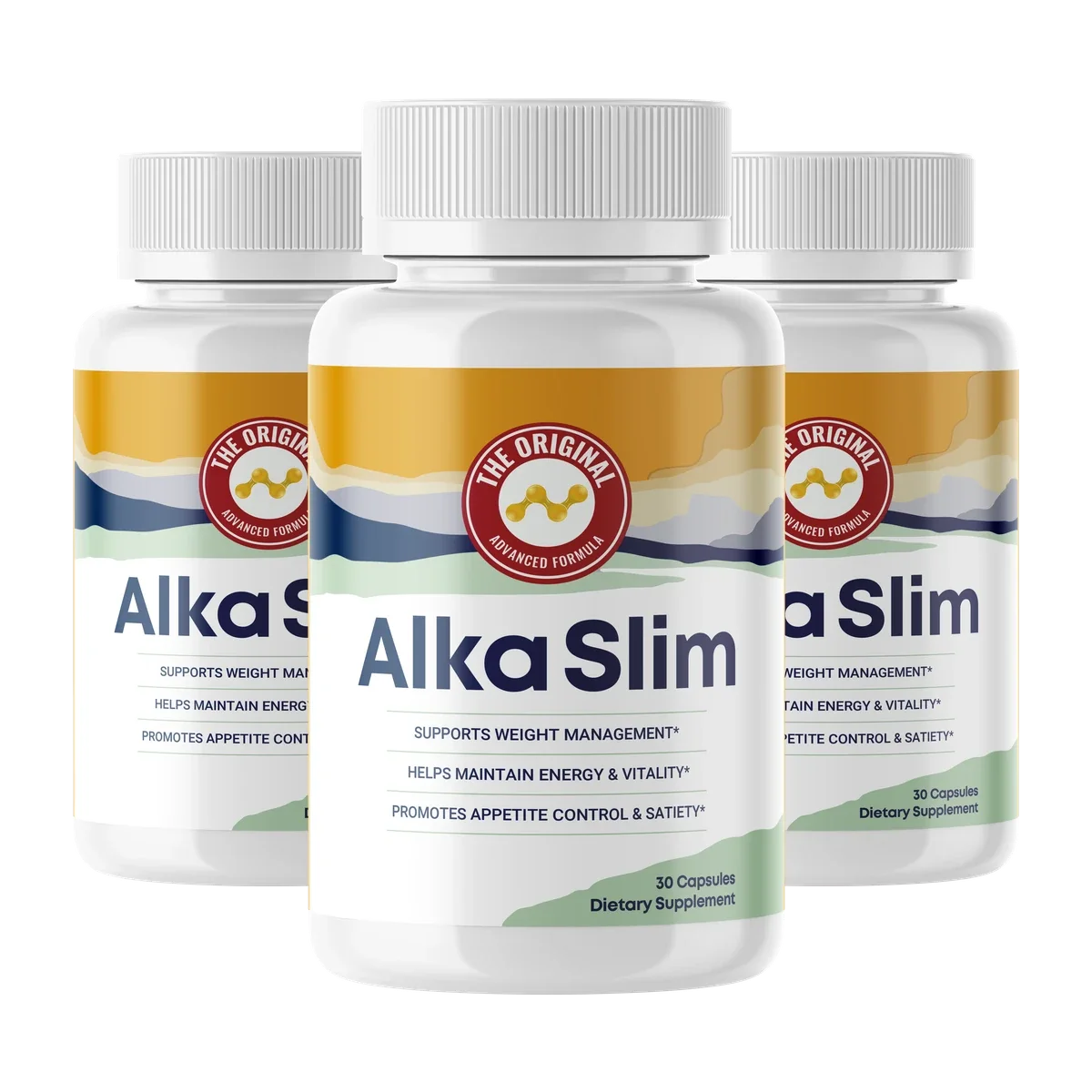
Search "best weight loss pills" in 2026 and you get two things at once: a wall of confident claims, and almost no way to tell which of them is backed by anything. Every bottle promises to be the strongest, the fastest, the doctor-approved one. The claims cancel each other out, and you are left exactly where you started — except now you have a cart full of options and no ranking you can trust.
This guide takes a different approach. Instead of ranking individual brands, it ranks the categories of pill by how strong the underlying evidence is, and then tells you what to look for inside each one. That way the ranking still holds next year, when the brand names have all changed but the biology has not. It is the same lens we use across this site: what does the published work actually support, and does the label in front of you deliver a comparable amount?
How we ranked the best weight loss pills
Three questions decide where a category lands. First, is there human evidence that the active ingredient does anything measurable for body weight? Second, is that evidence tied to a specific dose you can check on a label? Third, is the safety profile gentle enough for everyday use without medical supervision? A category that scores well on all three ranks above one that scores on only one — no matter how loud the advertising is.
Notice what is missing from that list: star ratings, before-and-after photos, and testimonial counts. Those measure marketing budgets, not results. We collected none of them, and you should weight them at roughly zero when you compare options.
Tier 1 — Viscous fiber formulas (best evidence for OTC)
At the top of the over-the-counter list sit soluble, viscous fibers: glucomannan (from konjac root), psyllium and similar gelling fibers. The mechanism is refreshingly simple. Taken with water before a meal, these fibers absorb liquid and form a thick gel in the stomach, which slows gastric emptying and physically takes up space. You feel full sooner and stay full longer, and over time that tends to mean you eat somewhat less without white-knuckling it. Because the effect is mechanical rather than metabolic, there is no stimulant load on your heart. (see The effect of glucomannan on body weight in overweight or obese children and adults: a systematic review of randomized controlled trials, Nutrition (Burbank, Los Angeles County, Calif.) 2015)
The catch is dose. The human trials on glucomannan that show a satiety and modest weight effect generally use around 3 grams per day, split before meals with plenty of water. A capsule that contains a fraction of that, or that hides the amount inside a blend, cannot be assumed to match the studies. This is the single most important thing to check, and it is exactly what separates a genuine fiber formula from a fiber-flavored one. If you want the deeper mechanism, our companion piece on how konjac glucomannan works for weight loss walks through it gram by gram.
Tier 2 — Metabolic support (berberine and similar)
A step across in mechanism sits berberine, a plant compound that acts on insulin signalling and metabolism rather than on stomach fullness. The weight effect in trials is real and, on average, a little larger than fiber's — but it comes with more caveats: it can cause digestive upset, it interacts with several common medications, and it works slowly, over weeks rather than at the next meal. It ranks below fiber for a general shopper mostly because of those interactions and the slower, less predictable payoff. We compare the two head to head in berberine for weight loss versus fiber, which is worth reading if blood-sugar management is your main reason for shopping.
Tier 3 — Stimulant fat-burners
Caffeine-and-extract "thermogenic" blends are the loudest category and the one to approach most carefully. Caffeine has a small, short-lived effect on energy expenditure, and that is the honest ceiling of most of these products. The bigger issue is that they are frequently sold as proprietary blends, so you cannot see how much stimulant you are actually taking — a real concern when the ingredients raise heart rate and blood pressure. If you are caffeine-sensitive, on any cardiovascular medication, or pregnant, this whole tier is a conversation for your clinician first. The best-studied member of that tier is green tea EGCG, and even there the honest ceiling is a couple of pounds.
The bottom of the ranking — undisclosed proprietary blends
Below every named category sits a failure mode that cuts across all of them: the undisclosed blend. When a label lists ingredients but no amounts, the studied dose becomes unverifiable, and a product can name an impressive-sounding ingredient while including a trace of it. It is not that these products never work; it is that you have no way to know before you buy, which is precisely the information a ranking is supposed to give you.
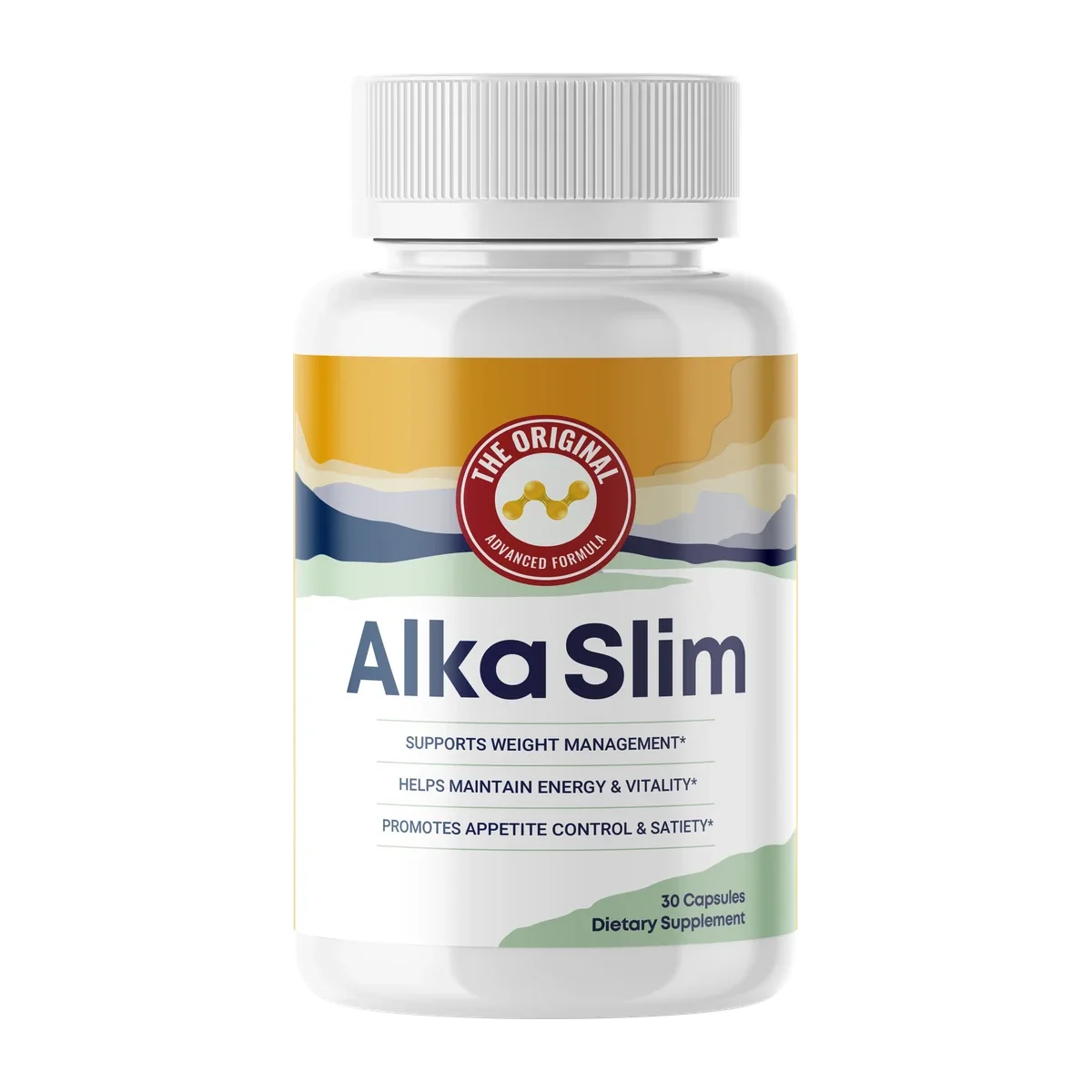
Shopping the fiber tier?
AlkaSlim is a once-daily, fiber-forward appetite formula taken with water before a meal — the top-ranked category in this guide. See the current pricing and 60-day guarantee on the official store.
Check AlkaSlim on the Official StoreOTC vs prescription weight loss pills, in one honest paragraph
If you compare the whole OTC field against prescription medicine, prescription wins on raw numbers and it is not close. GLP-1 medications produce average weight loss that no supplement can approach. But they require a doctor, ongoing monitoring, and a bigger budget, and they are not what most people typing "best weight loss pills" into a search bar are actually able to start today. The honest framing is not pill-versus-pill but goal-versus-goal: a supplement is gentle, accessible support that stacks on top of diet changes, while a prescription is a medical intervention for a medical decision. If you want the full breakdown of who each route suits, see our guide to over-the-counter versus prescription weight loss.
Three myths that ruin the "best pill" search
Myth 1: the strongest pill is the best pill. "Strong" usually means "more stimulant," which means more side effects, not more fat loss. The best-evidenced category — viscous fiber — is one of the gentlest. Strength and effectiveness are not the same axis.
Myth 2: a long ingredient list means a better formula. A dozen ingredients split across one small capsule almost guarantees each is present in a token amount. A short list of well-dosed actives beats a long list of traces every time. Fewer, disclosed, and at the studied gram amount is the pattern to want.
Myth 3: a pill replaces the diet. Every honest number in this article assumes a calorie deficit. The supplement's job is to make that deficit easier to hold — by taking the edge off hunger — not to create weight loss on its own. Take the pill and change nothing else, and the pill has almost nothing to work with. If you want the evidence for what genuinely moves the needle, our piece on choosing a weight loss supplement that actually works lays out the checklist.
What "1 to 5 pounds" really means
You will see this range throughout honest supplement coverage, and it is worth sitting with, because it sets expectations that protect your money. In controlled studies, a well-dosed OTC supplement taken alongside a calorie deficit tends to add somewhere in the neighborhood of one to five pounds of loss beyond what the diet produced on its own, over a course of weeks. That is a genuine effect and a genuine reason to use one — but it is a nudge, not a transformation. Anyone promising twenty pounds from a capsule alone is selling the myth, not the mechanism. Set the expectation at "makes my eating plan easier to stick to," and a fiber formula can quietly earn its place; set it at "does the work for me," and no pill on this ranking will satisfy you.
How to read a label like a reviewer
Before you order anything, run the label through three checks. Is the key active named and given an amount in grams or milligrams? Does that amount match what the studies used (for glucomannan, roughly 3 grams a day)? And is there a Supplement Facts panel you can actually see, rather than a marketing image? A product that passes all three has earned a spot on your shortlist. A product that hides its doses has told you something important about how it wants to be judged — and it is not on the evidence. (see FDA initiative against tainted weight-loss products)
Apply the same discipline to the guarantee. A real refund policy is specific about the window and the process; a vague one is a soft claim. For fiber formulas in particular, also read the intake instructions: these ingredients need to be taken with a full glass of water, and skipping that is the most common reason people find them uncomfortable or ineffective.

Ready to try the top-ranked category?
If a gentle, fiber-based appetite aid fits your plan, AlkaSlim ships with a 60-day money-back guarantee so you can judge it against your own results.
Order AlkaSlim From the Official StoreFrequently asked questions
What are the best weight loss pills in 2026?
By evidence, transparent viscous-fiber formulas that disclose their gram amounts sit at the top of the over-the-counter list, because their satiety mechanism is well studied and easy to verify on the label. Prescription GLP-1 medicines outperform any pill but require a doctor. The category to avoid is any undisclosed proprietary blend, where you cannot confirm you are getting a studied amount of anything.
Are OTC weight loss pills effective?
Some are, modestly. In studies alongside a calorie deficit, well-dosed fiber supplements contribute roughly 1 to 5 pounds beyond diet alone over a course of weeks. That is real but small: an OTC pill is a nudge on top of eating changes, never a replacement for them. Effectiveness depends heavily on the ingredient being present at a studied dose.
OTC vs prescription weight loss pills?
Prescription GLP-1 medications produce far larger average weight loss than any over-the-counter pill, but they need a prescription, medical monitoring and cost more. OTC options such as fiber-based appetite aids are cheaper and easier to access, produce smaller effects, and suit people who want gentle support alongside diet rather than a medical intervention.
Which weight loss pill is safest?
Broadly, viscous dietary fibers such as glucomannan have among the gentlest safety profiles of the OTC options, with the main cautions being adequate water intake and separating them from medications. Stimulant fat-burners carry more cardiovascular caution. Whatever you choose, a transparent label and a talk with your clinician beat any marketing claim.
Do prescription medicines work better than weight loss pills?
Prescription GLP-1 medicines outperform any pill, but they need a doctor. Fiber-based pills are the top over-the-counter choice.
Related reading
References
- NIH Office of Dietary Supplements — dietary supplements for weight loss
- FDA — weight-loss product safety for consumers
- FTC — health products compliance guidance
- PubMed — The effect of glucomannan on body weight in overweight or obese children and adults: a systematic review of randomized controlled trials (Nutrition (Burbank, Los Angeles County, Calif.), 2015)