Meal Replacement Shakes for Weight Loss
Do meal replacement shakes work?
Yes, when they are used to control calories. A good meal replacement shake swaps a hard-to-measure meal for a fixed portion of around 200 to 400 calories with protein and fiber, which for many people beats plain willpower. It works through the calorie math, not through anything magic in the powder.
- A quality shake carries about 20g protein, 200 to 400 calories, and 6 to 8g fiber.
- Replacing one or two meals often beats plain calorie-cutting because the portion is fixed.
- Liquids satiate less than solid food, so add fiber and keep at least one whole meal.
The appeal of a meal replacement shake is obvious the moment you have ever eyeballed a portion and gotten it wrong. Instead of guessing what a "reasonable" lunch is, you pour a measured scoop, add water or milk, and drink a meal whose calories you actually know. That is the entire mechanism, and it is a good one. A meal replacement shake for weight loss works by turning your least disciplined meal into a fixed, calorie-controlled swap. This article explains what separates a genuine shake from a milkshake in disguise, how many to use, the honest downside of drinking your food, and the fiber layer that liquid meals almost always miss.
Why a meal replacement shake for weight loss actually helps
Weight loss comes down to a sustained calorie deficit, and the reason most diets fail is not ignorance of that fact but the daily friction of applying it. Every unmeasured meal is a decision that can go sideways: the restaurant portion, the "healthy" bowl that hides 800 calories, the handful of this and that while you cook. A meal replacement shake removes one of those decisions entirely by fixing the portion in advance. You are not relying on willpower to stop at the right amount; the amount is already decided when you scoop.
That is why replacing one or two meals a day can genuinely beat plain calorie-cutting for a lot of people. Plain calorie-cutting asks you to make the right call at every meal, all day, forever. A shake makes the right call automatic for the meals you swap, so your only job is to keep the meals you still eat sensible. The research on structured meal replacement is consistent with this: give people a predictable, portioned option and adherence improves, and adherence is the whole game. The shake is not doing anything the powder magically causes; it is doing the boring, powerful work of controlling a portion.
What a quality shake actually contains
This is where the aisle splits into two very different products wearing similar labels. A genuine meal replacement is built to stand in for a meal, which means it needs enough protein to be filling and protect muscle, enough fiber to slow things down, controlled calories, and a reasonable spread of vitamins and minerals since it is replacing the nutrition of real food. As a rough target, look for roughly 20 grams of protein, somewhere between 200 and 400 calories depending on whether it is a full meal or a lighter swap, and ideally 6 to 8 grams of fiber.
The imposters fail on those numbers in predictable ways. Some are essentially dessert: high sugar, low protein, almost no fiber, sold on flavor. Others hit the protein but forget the fiber entirely, which matters more than it sounds, as we will see. The label lesson from the wider supplement world applies here too: read the disclosed amounts rather than the front-of-pack adjectives, and be suspicious of anything that leads with "creamy" and buries its macros. If you want to see how that same transparency test sorts the broader category, our guide to a weight loss supplement that works ranks ingredients by disclosed dose and human evidence.
How many shakes a day to lose weight
The sustainable answer is fewer than the marketing implies. For most people, replacing one or two meals a day with a shake, while keeping at least one balanced whole-food meal plus a snack or two, is the sweet spot. Replacing your least controlled meal, often a rushed breakfast or a chaotic lunch, gives you most of the benefit with the least disruption. A second shake can accelerate things for a defined stretch, but three shakes a day is rarely necessary and almost never pleasant to maintain.
The reason to hold at one or two is that an all-shake diet is a trap you have to escape from later. It can drop weight quickly, but it teaches you nothing about eating, so the day the shakes stop, the old habits are right where you left them. Better to use shakes to control the meals you struggle with while you practice getting the others right. If the pull you are managing is between-meal hunger rather than the meals themselves, our roundup of natural appetite suppressant foods and supplements covers the food-first ways to blunt it.
Cover the gap between the shakes
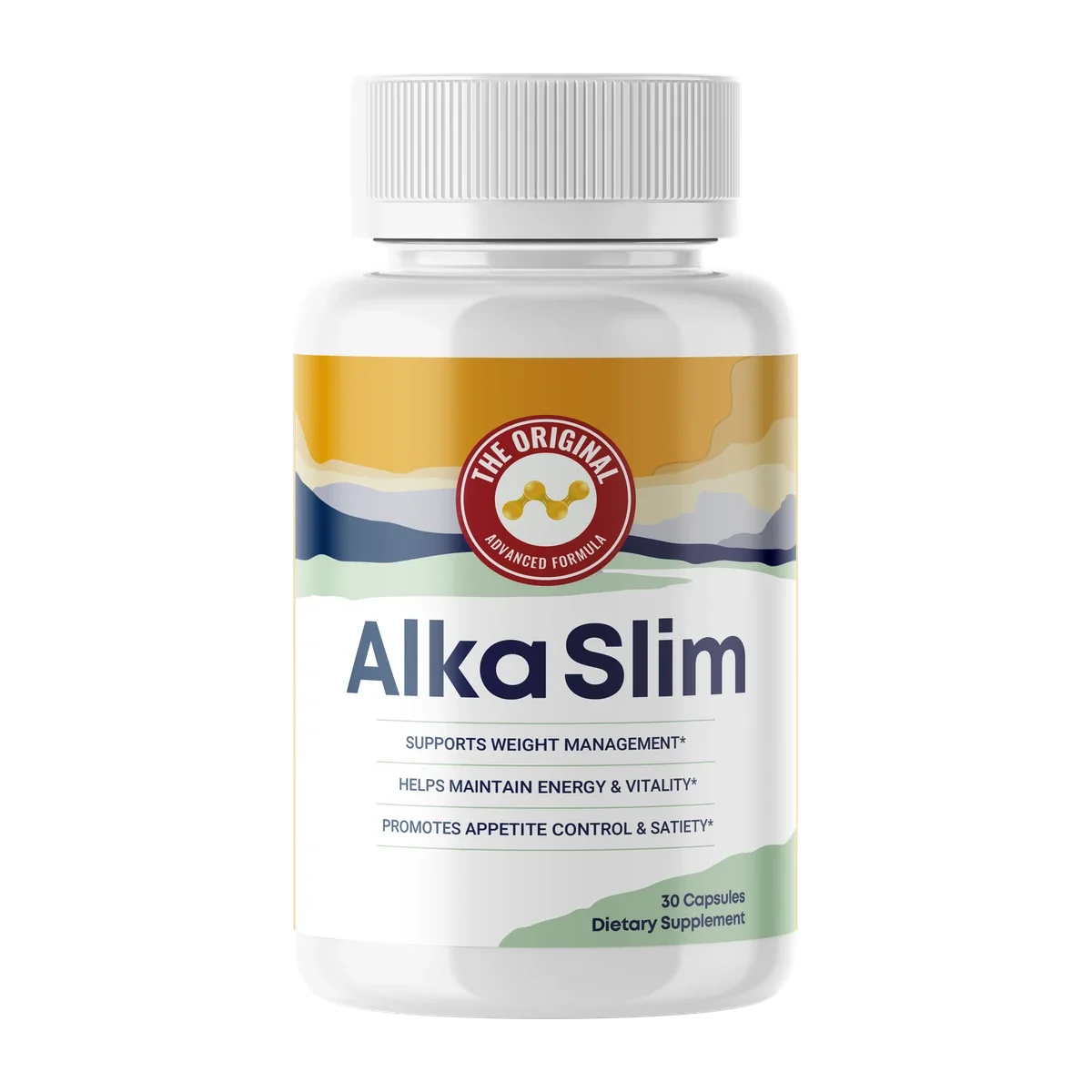
A shake controls one meal, but the hours between meals are where most diets slip. AlkaSlim's glucomannan fiber, taken with water before a meal, adds the viscosity a liquid meal lacks. Check current pricing and the 60-day guarantee on the official store.
See AlkaSlim On The Official StoreThe catch: liquids satiate less than solid food
Here is the honest limitation nobody selling shakes leads with. Calorie for calorie, liquids tend to fill you up less than solid food and for less time. Chewing, the physical bulk of a plate, and the slower pace of a real meal all feed into the signals that tell your brain you have eaten. A shake bypasses much of that, which is why some people drink a 250-calorie shake and feel hungry again within the hour. The calories were controlled; the fullness was not.
This is exactly why the fiber content of a shake matters so much, and why a shake that skips fiber is only doing half the job. Viscous soluble fiber absorbs water and forms a gel that slows how fast the stomach empties, which is the single best way to stretch a liquid meal's fullness closer to what a solid meal delivers. If your shake is light on fiber, or if you want to reinforce the fullness of the whole-food meals you still eat, adding a dedicated viscous fiber is the fix. Our deep dive on konjac glucomannan for weight loss explains how that gel forms and why it is the fiber with the strongest human evidence for supporting fullness.
Where AlkaSlim fits alongside your shakes
A shake solves the swapped meal. It does not solve the between-meal hours, and it does not add much viscous fiber unless you chose one that happens to. That is the specific gap AlkaSlim is built for. It is a once-daily, low-calorie capsule taken with a full glass of water before a meal, built around a disclosed dose of glucomannan, the soluble konjac fiber. Used with a shake plan, the two cover different parts of the day: the shake fixes the calories of the meal it replaces, and the fiber adds the slow-emptying fullness layer to the whole-food meal you still sit down to.
The honest framing is also the persuasive one. Neither a shake nor a fiber capsule is a shortcut around the calorie deficit; both are tools that make the deficit easier to live with. A shake removes a decision, and fiber makes fullness last. If your shakes are dropping the calories but leaving you hungry between them, a disclosed-dose fiber capsule backed by a money-back guarantee is a low-risk way to test whether adding the fullness layer keeps you on plan.
Objection: "Aren't shakes just expensive powder?"
Some are, and price is a poor proxy for quality here. What you are paying for should be measurable on the label: grams of protein, grams of fiber, controlled calories, and a real micronutrient spread, all disclosed. A shake that delivers those numbers is a legitimate meal swap regardless of brand, and a premium shake that hides its macros behind flavor claims is the expensive powder people rightly complain about. Compare shakes the way you would compare any food, by what is actually in a serving, and the value ones stand out fast.
Objection: "Won't I just gain it all back?"
Only if you use the shakes as the whole plan instead of a bridge. Weight regain happens when the tool that dropped the weight taught you nothing you can keep doing. That is the real risk of an all-shake crash diet. The fix is built into how you use them: replace only the meals you struggle with, keep practicing balanced whole-food meals for the rest, and treat the shakes as training wheels you gradually need less. Used that way, the habits you build during the shake phase are what hold the result after it.
Objection: "Is skipping whole food unhealthy?"
Replacing every meal indefinitely would trade away the fiber, variety, and food relationship that whole meals provide, so yes, an all-shake life is a poor long-term plan. But replacing one or two meals a day, with the rest coming from real food, is a reasonable structured approach that plenty of research supports for weight management. The healthy version keeps whole food as the base, uses shakes to control the meals that trip you up, and adds fiber to make up the satiety difference. It is a tool used within a real diet, not a replacement for having one.
Who meal replacement shakes suit best
Shakes are not for everyone, and knowing whether you are the right candidate saves money and frustration. They shine for people whose problem is a specific, repeatable meal that keeps going wrong: the skipped-then-binged breakfast, the sad desk lunch that turns into a vending-machine raid, the after-work grazing before dinner. If one predictable meal is where your calories quietly blow out, a shake is a near-perfect fix because it turns that exact slot into a controlled portion. They also suit people who value speed and simplicity and are willing to accept a little less eating pleasure at that meal in exchange for not having to think.
They suit you less if your overeating is spread evenly across the day, if you genuinely enjoy cooking and eat balanced meals already, or if liquid meals leave you ravenous no matter the fiber. In those cases the calories you save at the shake meal come straight back later, and a food-first plan with a fullness aid does more. Match the tool to your actual pattern, not to the advert, and the shake either earns its place clearly or gets ruled out fast.
A realistic month on shakes
Set the timeline honestly and you will not misjudge the tool. In the first week or two, the change to watch is not the scale but your relationship with the swapped meal: is the portion actually controlled, are you reaching for extras afterward, and how long does the fullness last? If a shake leaves you raiding the cupboard an hour later, that is the fiber gap talking, and it is fixable before you blame the whole approach. The scale itself is a lagging, noisy signal, nudged by water and salt as much as by fat, so judge the early weeks by behavior.
Give the plan a fair run of six to eight weeks inside a genuine calorie deficit before deciding, and read the trend rather than any single morning. If the swapped meals are holding, if hunger between them is manageable, and if the weeks-long line is heading down, the structure is working. If you are constantly hungry despite controlled calories, add or upgrade the fiber layer before you conclude shakes are not for you. And if a supplement is part of that fiber layer, a money-back guarantee makes testing it risk-free. For the protein side of the same equation, our guide to protein powder for weight loss covers how much you actually need and when.
Related reading

Add the fullness a shake can't
If your shakes control the calories but leave you hungry between meals, AlkaSlim's glucomannan fiber is the between-meal appetite layer, backed by a 60-day money-back guarantee on the official store.
Order AlkaSlim From The Official StoreFrequently asked questions
Do meal replacement shakes work?
Yes, when they are used to control calories. A good meal replacement shake swaps a hard-to-measure meal for a fixed portion of around 200 to 400 calories with protein and fiber, which for many people beats plain willpower. It works through the calorie math, not through anything magic in the powder.
How many shakes a day to lose weight?
Most plans replace one or two meals a day with a shake and keep at least one balanced whole-food meal plus snacks. Replacing every meal is unnecessary and hard to sustain. One shake to control your least disciplined meal is often enough to create a steady, livable calorie deficit.
Are shakes healthy for the long term?
Shakes are best as a transitional tool rather than a permanent diet. They make portion control easy while you build habits, but they do not teach you to eat, and whole foods bring fiber and variety a powder cannot fully match. Use them to bridge to real meals, not to replace them forever.
Can I use AlkaSlim with meal replacement shakes?
Yes. Shakes control the calories of a meal, while AlkaSlim's glucomannan fiber, taken with water before a whole-food meal, adds the viscosity that liquids satiate poorly without. Together they cover both the swapped meal and the meals you still eat. Check with your clinician first if you take medication.