Diet Supplements for Weight Loss Guide
Do diet supplements for weight loss actually work?
Diet supplements can help modestly, but they support calorie control rather than replace it. They split into three categories — appetite fiber, thermogenics and carb support — and the strongest human evidence sits with fiber like glucomannan and, to a lesser degree, berberine. Doses and third-party testing separate the good from the hype.
- Appetite-fiber supplements have the most consistent data for helping you eat less.
- Thermogenics and carb-support products have smaller or more variable evidence.
- Check disclosed doses, realistic claims and a money-back guarantee before you buy.
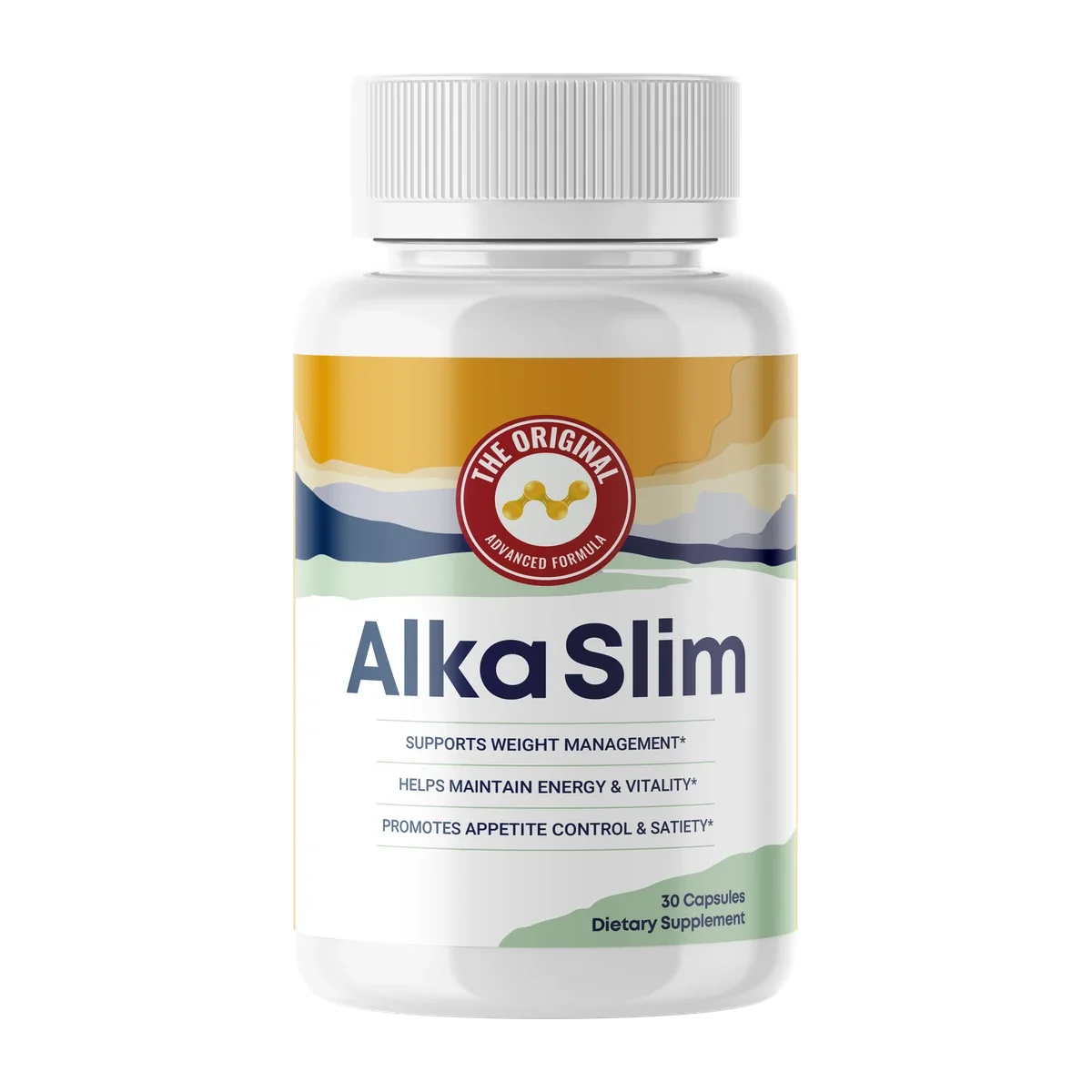
Diet supplements for weight loss are a crowded, confusing shelf, and most of the confusion comes from treating a hundred different products as one thing. They are not one thing. They fall into a few clear categories, each with a different mechanism, a different weight of evidence, and a different honest claim. This guide classifies diet supplements the way a careful buyer should, names the ingredients that actually have human data behind them, flags the categories that overpromise, and gives you a short checklist for picking a quality product — including where a fiber-based option like AlkaSlim fits.
What diet supplements can and cannot do
Start with the boundary, because every honest recommendation lives inside it. A dietary supplement is not a drug. It is not approved to treat, cure or prevent any disease, and it will not override the basic arithmetic of energy balance. What a good supplement can do is make that arithmetic easier to hold: blunt hunger so a reduced-calorie diet is less of a fight, nudge metabolism slightly, or reduce the impact of a particular macronutrient. Those are real, useful effects, and they are also small next to what the diet itself does.
The trap is expecting a supplement to do the diet's job. Every trial that shows a benefit for a weight-loss ingredient shows it alongside reduced-calorie eating, never instead of it. So the correct mental model is a lever, not an engine: the diet is the engine, and the right supplement is a lever that makes the engine easier to keep running. Buy inside that model and you will be satisfied by realistic results; buy outside it and no product in this guide will meet your expectations. For a broader take on separating signal from noise, our guide to a weight loss supplement that actually works is a good companion read.
Category 1: appetite-fiber supplements
This is the category with the most consistent human evidence, and it is where the honest money is. Appetite-fiber supplements use soluble fibers that absorb water and expand in the stomach, slowing gastric emptying and triggering fullness sooner. The standout ingredient is glucomannan, a fiber from the konjac root, which in dose-based trials alongside a reduced-calorie diet tends to add a few pounds of loss over placebo. It is not dramatic, but it is repeatable and mechanistically clear: you feel full, so you eat less. For the deeper mechanism, our explainer on how konjac glucomannan supports weight loss walks through the gelling action step by step.
AlkaSlim sits in this category, which is why we describe it as appetite support rather than a fat-burner. The practical rules for any fiber supplement are the same: take it before meals, with a full glass of water so it can gel in time, and expect its benefit to show up first as smaller portions and less snacking rather than as an overnight scale drop. The main downsides are digestive — bloating or gas if you ramp up too fast or skimp on water — and they are usually manageable by starting low and hydrating well. For a wider comparison of options in this lane, see our roundup of the best appetite suppressant supplements.
Try the best-evidenced category first
If you are going to test a diet supplement, appetite fiber is the category with the clearest data. AlkaSlim is a glucomannan-based option, sold with a 60-day guarantee on the official store.
Check Pricing On The Official StoreCategory 2: thermogenic supplements
Thermogenics aim to increase the calories your body burns, usually through stimulants. The best-studied members are caffeine and green tea catechins, which can produce a small, short-term bump in energy expenditure and, in caffeine's case, a mild appetite-blunting effect. The evidence here is real but smaller and more variable than for appetite fiber, and the body adapts to stimulants over time, so the effect tends to fade with regular use.
The bigger issue with this category is safety and honesty. Many thermogenic blends stack multiple stimulants at undisclosed doses, which can raise heart rate and blood pressure and does not suit everyone — particularly anyone sensitive to caffeine or managing cardiovascular concerns. And the marketing often oversells a modest metabolic nudge as "fat incineration." If you consider a thermogenic, favour products that disclose their caffeine content, avoid stacking it with other stimulant sources, and treat any dramatic claim as a reason for more scrutiny, not less.
Category 3: carb- and fat-support supplements
The third category tries to reduce the impact of what you eat rather than how much you eat. This includes ingredients aimed at blunting the digestion or absorption of carbohydrates or fats. Some, like berberine, have genuine data: berberine is studied mainly for how the body handles blood sugar and lipids, with modest associated body-weight change in some twelve-week studies. Others in this bucket rest on weak or mostly animal evidence, so the quality varies enormously ingredient by ingredient.
The honest way to read this category is per ingredient, not per category. Berberine has a plausible, studied mechanism and belongs in a serious conversation; many "carb blocker" ingredients do not, and lean heavily on marketing. If you are weighing a fiber-first product against a metabolic one, our comparison of berberine for weight loss versus fiber lays out which mechanism tends to do more for most people. As always, the presence of a named ingredient with published dose-based trials is what separates a real option from a hopeful one.
Objection: “Aren't diet supplements just a waste of money?”
Many are, and pretending otherwise would be dishonest. A large share of the shelf is proprietary blends at trace doses, stimulant cocktails, or ingredients with no meaningful human data, sold on hype and unverifiable star ratings. But "many are a waste" is not the same as "all are." An appetite fiber like glucomannan has decades of study and a clear mechanism; used correctly alongside a diet, it earns its modest keep. The way to avoid wasting money is not to dismiss the whole category, but to apply a filter: real ingredient, disclosed dose, realistic claim, refund path. Products that pass that filter are worth considering; products that fail it are the ones giving the category its reputation.
Objection: “How do I know the dose is high enough to matter?”
This is the sharpest question in the whole category, because dose is where most supplements quietly fail. Evidence is always attached to a dose — a study never finds that "fiber helps," it finds that a specific number of grams, taken at a specific time, produced a specific result. When a product hides its doses inside a proprietary blend, it severs the ingredient from its own evidence, and you cannot tell whether you are getting a study-comparable amount or a sprinkle. The fix is to buy from products that disclose per-ingredient doses and compare them to the doses used in published trials. If a label will not tell you how much of the active ingredient you are getting, treat that silence as an answer.
Objection: “Which category should I actually start with?”
For most people beginning with diet supplements, appetite fiber is the sensible first stop, for three reasons. It has the most consistent human evidence; its mechanism — feeling full sooner — directly attacks the number one reason diets fail, which is hunger; and its side-effect profile is mild and manageable when you take it with water. Thermogenics and carb-support products can have a place, but they carry either more variability or more caution flags, and they are better considered as additions once you know how your body responds to the basics. Start with the category that most reliably makes a reduced-calorie diet easier to sustain, prove it works for you, and only then experiment further.
A quick checklist for buying a quality diet supplement
Reduce the whole decision to five checks. One: are the ingredients named with disclosed doses, rather than hidden in a proprietary blend? Two: do those doses match the ones used in published human trials? Three: is there third-party or GMP testing behind the manufacturing? Four: are the claims realistic — does the product say it "supports" appetite or metabolism, rather than promising to "cure" or "melt"? Five: is there a genuine money-back guarantee that caps your downside if it does not work for you? A product that passes all five is worth a trial. A product that fails on hidden doses, dramatic claims, or unverifiable ratings is telling you what it is. Run that checklist every time and you will spend money on the small share of the shelf that can actually help.
Related reading

Start with fiber, with a guarantee behind you
If appetite support is your goal, AlkaSlim is a glucomannan-based diet supplement you can test alongside a reduced-calorie diet, with a 60-day money-back guarantee on the official store.
Order AlkaSlim From The Official StoreFrequently asked questions
Do diet supplements really work?
Some do, in a supporting role. Diet supplements do not replace calorie control, and none is approved to treat, cure or prevent disease. The ones with real human data, mainly appetite-fiber ingredients like glucomannan, help you eat less by increasing fullness, which adds a few pounds over placebo when paired with a reduced-calorie diet. Treat them as an aid to a plan, not a substitute for one, and the honest ones do modestly help.
Which diet supplements are science-backed?
The strongest human evidence in this category sits with glucomannan, a soluble konjac fiber that increases fullness, and to a lesser degree berberine, a plant compound studied mainly for metabolic markers and modest body-weight change. Green tea catechins and caffeine have some thermogenic support. Many popular ingredients have weak or mostly animal data. Look for a named ingredient with published dose-based trials rather than a proprietary blend.
Are diet supplements safe to take?
Well-studied ingredients at sensible doses are generally low-risk for healthy adults, but safe is not automatic. Fiber supplements like glucomannan are mainly associated with digestive effects and must be taken with plenty of water. Stimulant-based thermogenics can raise heart rate and blood pressure and do not suit everyone. Check for third-party testing, avoid mega-doses, and speak with a healthcare professional first if you take medication or have a health condition.
How do I pick a quality diet supplement?
Use a short checklist: named ingredients with disclosed doses rather than a hidden proprietary blend, doses that match the ones used in published trials, third-party or GMP testing, realistic claims that say support rather than cure, and a genuine money-back guarantee. If a product hides its doses, promises dramatic results, or leans on unverifiable star ratings, treat those as reasons to lower your confidence and look elsewhere.