Weight Loss Pills That Work in 2026
Which weight loss pills actually work in 2026?
The weight loss pills that work in 2026 fall into three tiers: prescription GLP-1 drugs (strongest, $149–$1,349 a month), over-the-counter orlistat (Alli, the only FDA-cleared OTC weight-loss drug, about five to ten pounds over six months), and appetite-support supplements. Diet and consistency drive results in every tier.
- GLP-1 injections and pills lead on average loss but cost the most and need a clinician.
- Alli/orlistat is the sole OTC drug; supplements support appetite rather than treat disease.
- No pill outruns a diet it is not paired with — the plan does the heavy lifting.
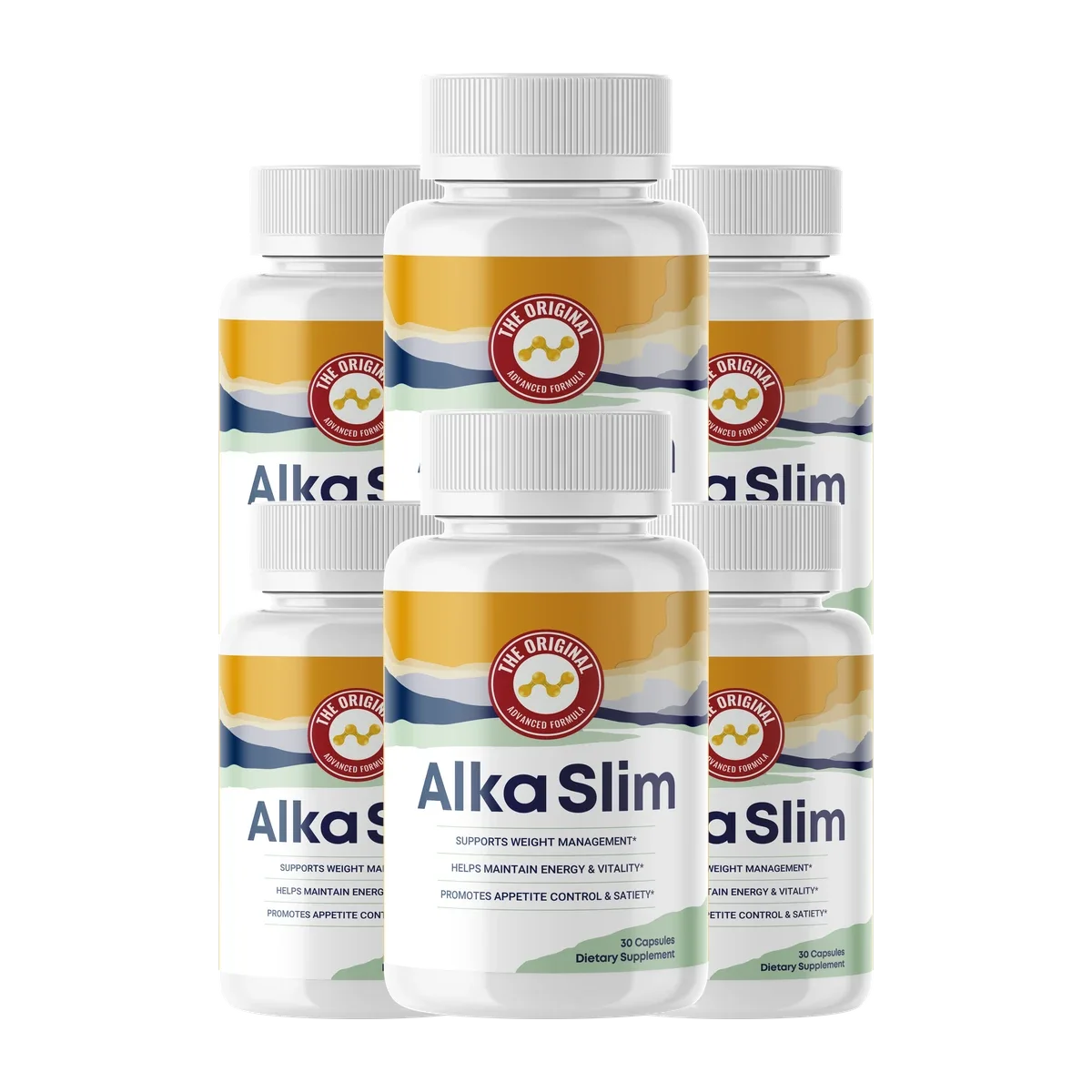
Search for weight loss pills in 2026 and you get a blur of three completely different products wearing the same label: prescription drugs, one over-the-counter drug, and a wall of supplements. They are not interchangeable, they are not equally powerful, and they are not equally regulated — and the marketing works hard to keep those lines fuzzy. This guide separates the three cleanly, gives you the honest results and costs for each, names the safest starting points, and shows where a fiber-based appetite supplement like AlkaSlim realistically fits before you ever spend money on the more expensive tiers.
The three types of weight loss pills, and why the difference matters
Before comparing anything, you have to know which lane a "pill" is in, because the rules change completely between lanes. A prescription drug has been through clinical trials and FDA approval to treat a condition, is dispensed under medical supervision, and carries both the strongest effects and the strongest oversight. An over-the-counter drug is also FDA-regulated as a drug but sold without a prescription; in the weight-loss world there is essentially one of these. A dietary supplement is a third thing entirely: it is not approved to treat, cure or prevent any disease, it supports the body's own processes, and it is regulated as a food-adjacent product rather than a medicine.
Confusing these is how people get burned. They read that "weight loss pills produce dramatic results," picture a supplement doing what a prescription drug does, buy the supplement, and feel cheated when it behaves like the appetite aid it actually is. Keep the three lanes straight and every claim you read becomes easier to price. If you want the deeper version of this comparison, our breakdown of over-the-counter versus prescription weight loss walks through the trade-offs in full.
Prescription pills and GLP-1s: the strongest, and the priciest
The heavyweight tier in 2026 is the GLP-1 class. These medications mimic a gut hormone that regulates appetite and slows stomach emptying, and on average they produce the largest weight loss of any option, which is why they dominate the conversation. That power comes with a price tag and a gatekeeper: monthly costs commonly run anywhere from about $149 to $1,349 depending on the specific drug, dose, format and whether any coverage applies, and you cannot get them without a clinician's involvement and ongoing monitoring.
For some people, particularly those with a lot to lose or specific metabolic conditions, that cost and oversight are entirely justified. For others, it is a large monthly commitment for a first attempt at weight management, and the appetite regulation these drugs deliver pharmacologically is something a reduced-calorie diet plus fiber-based support tries to approach at a fraction of the cost. Neither is "the answer" for everyone. The right tier depends on your health, your goals and your budget, which is a conversation for you and a healthcare professional, not a sales page.
Start with the lower-cost, lower-risk tier
Before committing to a monthly prescription bill, many people test fiber-based appetite support alongside a reduced-calorie diet. AlkaSlim is that tier, with a 60-day guarantee on the official store.
Check AlkaSlim Pricing On The Official StoreOver-the-counter: what actually earns the label
Here is a fact that cuts through a lot of noise: as of 2026, the only over-the-counter pill the FDA has cleared specifically as a weight-loss drug is orlistat, sold at half-strength as Alli. It works differently from the appetite-based options — it blocks the absorption of some of the fat you eat, which passes through undigested. In studies, orlistat tends to add roughly five to ten pounds of loss over six months compared with diet alone. That is a real effect, and it comes with well-known digestive side effects, especially on higher-fat meals, which is precisely why it nudges people toward eating less fat.
Everything else on the OTC shelf marketed for weight loss is a dietary supplement, not an approved drug. That is not an insult — supplements have a legitimate role — but it means the honest claim for them is "supports appetite" or "supports metabolism," never "treats obesity." Any OTC bottle promising drug-like results is overstepping what its category is allowed to claim, and that overreach is itself a reason to be cautious about the brand.
Supplements: where AlkaSlim fits, honestly
Supplements are the third lane, and the honest pitch is narrow: they support the diet that does the real work. The best-studied appetite ingredient in this space is glucomannan, a soluble konjac fiber that swells into a gel in the stomach, slows emptying, and helps you feel full sooner. In trials at known doses alongside a reduced-calorie diet, it adds a few pounds over placebo. AlkaSlim is built around this fiber mechanism, which is why we position it as appetite support rather than a fat-burner. If you want to understand how to judge any product in this lane, our guide to choosing a weight loss supplement that actually works lays out the checklist.
The reason a supplement can still be the smart first move is math and risk. It costs far less than a prescription tier, it carries a mild side-effect profile when taken correctly with water, and a good one comes with a money-back guarantee that caps your downside. It will not do what a GLP-1 does. But for someone starting out, willing to change their diet, and unwilling to commit hundreds of dollars a month before knowing whether they will stick with the plan, fiber-based appetite support is a rational, low-stakes place to begin.
Objection: “If GLP-1s are strongest, why consider anything else?”
Because "strongest on average" is not the same as "right for you right now." Three things temper the GLP-1 case. First, cost: sustained monthly spending in the hundreds to over a thousand dollars is not viable for many people, and stopping often means regaining weight, so it is a long commitment, not a one-off. Second, access and oversight: they require a clinician, monitoring and, for injectables, a delivery routine. Third, readiness: if you have not yet built the eating habits that keep weight off, the most powerful appetite drug in the world is a rented result. Many people sensibly start by proving they can hold a reduced-calorie diet — supported by fiber — and escalate only if they need more. Strongest is a tier, not a starting line.
Objection: “Aren't all supplement weight loss pills a scam?”
Not all, but the category earns its bad reputation, so skepticism is healthy. The scam pattern is consistent: proprietary blends that hide doses, drug-like claims a supplement is not allowed to make, invented star ratings, and no refund path. The legitimate pattern is the opposite: a named mechanism with published human evidence, realistic language about supporting appetite rather than curing anything, and an enforceable money-back guarantee. Judge each product against that checklist rather than the whole category at once. A fiber like glucomannan has decades of study behind it; the problem is usually the brand's marketing, not the ingredient. Our ranked list of the best weight loss pills of 2026 applies exactly that lens.
Objection: “I want appetite control without a prescription”
This is a completely reasonable want, and it is where non-prescription appetite support lives. You do not need a doctor to eat less, and you do not need one to take a well-formulated fiber supplement that makes eating less more comfortable. The realistic expectation is a smaller, slower version of what the prescription tier does to appetite: less grazing, earlier fullness, easier portion control. Pair that with protein at meals and a genuine calorie target and you have a plan you can run today, at low cost, without a clinic visit. If it is not enough after a fair trial, that result is itself the signal to talk to a professional about the stronger tiers. For a wider look at appetite-focused options, see our roundup of the best appetite suppressant supplements.
How to actually choose in 2026
Reduce it to four questions. How much do you have to lose, and how fast is medically sensible? What can you sustainably spend per month, knowing many options require ongoing use? Are you ready to change how you eat, or are you hoping the pill removes that requirement? And what does a healthcare professional advise for your specific health and medications? Answer those honestly and the right lane usually names itself: a lot to lose with clinical need and budget points toward the prescription tier; a moderate goal, a tighter budget, and readiness to change your diet points toward OTC or supplement support. Whatever you choose, the pill is the smaller half of the equation. The diet and the consistency are the larger half, in every single tier.
Related reading

Begin with the low-risk tier and a guarantee
If a reduced-calorie diet supported by fiber is your starting point, AlkaSlim is that tier — low cost, mild profile, and a 60-day money-back guarantee on the official store.
Order AlkaSlim From The Official StoreFrequently asked questions
What weight loss pills genuinely work?
Three categories genuinely do something, in descending order of power. Prescription GLP-1 drugs produce the largest average loss but cost the most and need a clinician. Over-the-counter orlistat (Alli) is the only OTC pill FDA-cleared as a weight-loss drug and adds a modest amount over diet. Supplements such as glucomannan-based products support appetite and make a reduced-calorie diet easier to sustain. In every case, diet and consistency do most of the work.
Are over-the-counter pills effective?
Modestly, and only alongside diet. The one OTC pill cleared by the FDA as a weight-loss drug is orlistat (Alli), which blocks some dietary fat absorption and tends to add about five to ten pounds over six months versus diet alone, with digestive side effects. OTC supplements are not drugs and are not FDA-approved to treat anything, but appetite-support ingredients like glucomannan can help you eat less. Effectiveness in both cases depends on pairing the pill with reduced-calorie eating.
What is the safest weight loss pill?
There is no single safest pill for everyone, because safety depends on your health, medications and dose. In general, well-studied fiber-based appetite supplements like glucomannan have a mild side-effect profile, mainly digestive, when taken with enough water. Orlistat is well studied but causes gastrointestinal effects. GLP-1 drugs are powerful and prescribed with medical monitoring for that reason. The safest choice is the one a healthcare professional signs off on for your situation.
Do good weight loss pills need a prescription?
Not necessarily. The most powerful options, the GLP-1 drugs, do require a prescription and clinical oversight. But you do not need a prescription to eat less or to use a well-formulated appetite-support supplement, and for many people a reduced-calorie diet supported by a fiber-based product is a reasonable, lower-cost starting point. Prescription-strength does not automatically mean it is the right first step for you.